Top Small Front Loader Tractors for Efficient Farming?
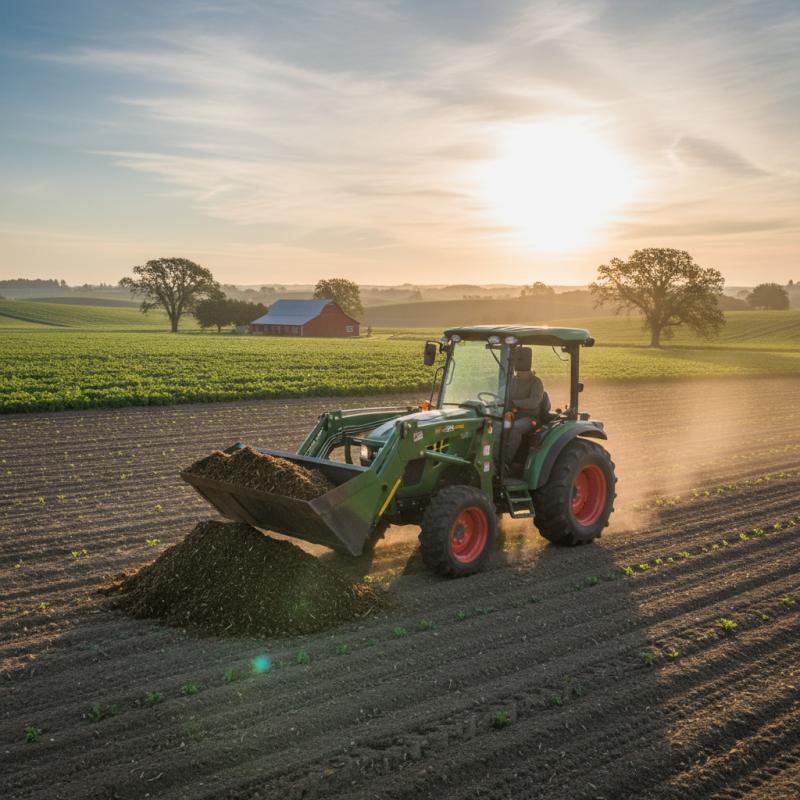
In the world of agriculture, efficiency is key. Farmers are always seeking tools that enhance productivity. A small front loader tractor can be a vital asset on any farm. It combines power with maneuverability. Many models offer versatility for various tasks, from loading to clearing land.
Choosing the right small front loader tractor involves many considerations. Size, power, and attachments matter greatly. Not every tractor suits every farm's needs. Some models might excel in one area but fall short in another. It's essential to reflect on what works best for your farming style.
Farmers often face challenges when selecting equipment. A small front loader tractor should fit not just the land, but also the farmer's expertise. Relying solely on features can be misleading. Practical experience and feedback from peers can shape better decisions. Finding the right balance between specs and real-world performance is crucial.
Key Features to Consider in Small Front Loader Tractors
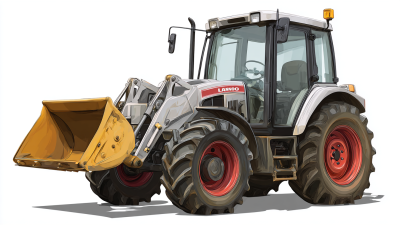
When selecting a small front loader tractor, key features matter greatly. First, check the lifting capacity. This refers to how much weight the tractor can handle. A higher capacity enables more efficient material handling. Often, a capacity of 1,500 to 2,000 pounds works well for small farms.
Next, consider the turning radius. A tight turning radius enhances maneuverability in limited spaces. Trucks with a smaller turn radius can navigate around obstacles better. This is particularly useful in tight fields or around barns. It saves time and reduces wear on crops.
Tip: Always review the maintenance requirements. Simple upkeep helps avoid costly repairs later. Look for tractors with easy-access parts for quick checks.
Pay attention to hydraulic systems. Efficient hydraulic systems provide better control of attachments. They also ensure quicker response times during operations, such as lifting and dumping. However, these systems can be complex. Ensure you understand the operation well before making a purchase.
Tip: Test the tractor before buying. This helps determine if it feels comfortable and fits your specific needs. A comfortable operator is more productive.
Advantages of Using Small Front Loader Tractors in Farming
Small front loader tractors are transforming farming practices. They are compact yet powerful, making them perfect for various agricultural tasks. Farmers can easily maneuver in tight spaces between crops. With a front loader, lifting and moving materials becomes much simpler. The ergonomic design helps reduce fatigue during long hours of work.
One key advantage is their versatility. These tractors can be equipped with different attachments. This allows farmers to perform tasks like digging, hauling, and even snow removal. While small tractors are efficient, they sometimes struggle with larger loads. It's essential to understand their limits. Some farmers might feel tempted to push the machine too hard, which can lead to wear. Regular maintenance is crucial to ensure longevity and performance.
Efficiency is also about time management. Small front loaders can save hours compared to manual labor. Despite their benefits, they require proper training to operate safely. Inexperienced operators may find themselves in tricky situations. Thus, investing time in learning can prevent accidents and enhance productivity. Adapting to new technology can be challenging, but the rewards can be significant.
Top Brands and Models of Small Front Loader Tractors
When choosing a small front loader tractor, consider several factors that impact farming efficiency. The ideal tractor should meet your specific needs and budget. Ergonomics play a crucial role. A comfortable seat and easy controls enhance the user experience during long hours of operation. Options like adjustable steering and hydrostatic transmission can improve precision.
Different models offer distinct features, impacting their utility. Some tractors feature a higher lifting capacity, enabling them to handle heavier loads. Others focus on compact size for better maneuverability in tight spaces. It is essential to evaluate tire types, as they affect traction and stability on various terrains. Additionally, attachments can expand functionality, making the tractor more versatile for different farming tasks.
Researching user reviews can offer insights. Some users report maintenance issues with specific models. Others find that the promised efficiency doesn’t always match reality. Before deciding, reflect on your unique farming environment. Consider how often you will use the tractor and for what tasks. Taking the time to explore these options will lead to a more satisfying purchase.
Top Small Front Loader Tractors for Efficient Farming
Maintenance Tips for Small Front Loader Tractors
Maintaining a small front loader tractor involves several essential practices. Start with regular checks on the fluid levels. Engine oil, coolant, and hydraulic fluid should be monitored frequently. Low fluid levels can lead to overheating and potential engine damage. Don’t overlook the importance of clean air filters. Clogged filters can reduce engine performance.
Tire pressure is equally crucial. Under-inflated tires can cause uneven wear and affect handling. Inspect tires for signs of wear or damage. It’s tempting to ignore small issues, but these can escalate into significant problems.
After each use, clean the tractor thoroughly. Remove dirt and debris from the loader and undercarriage. Dirt buildup can lead to corrosion over time. Regularly grease fittings to keep joints lubricated. This preventive maintenance ensures that your tractor runs smoothly and efficiently. It’s a small effort that pays off in the long run. Keeping a maintenance log can also help track performance changes. Each detail matters in the upkeep of your equipment.
Comparative Analysis of Performance in Various Farming Tasks
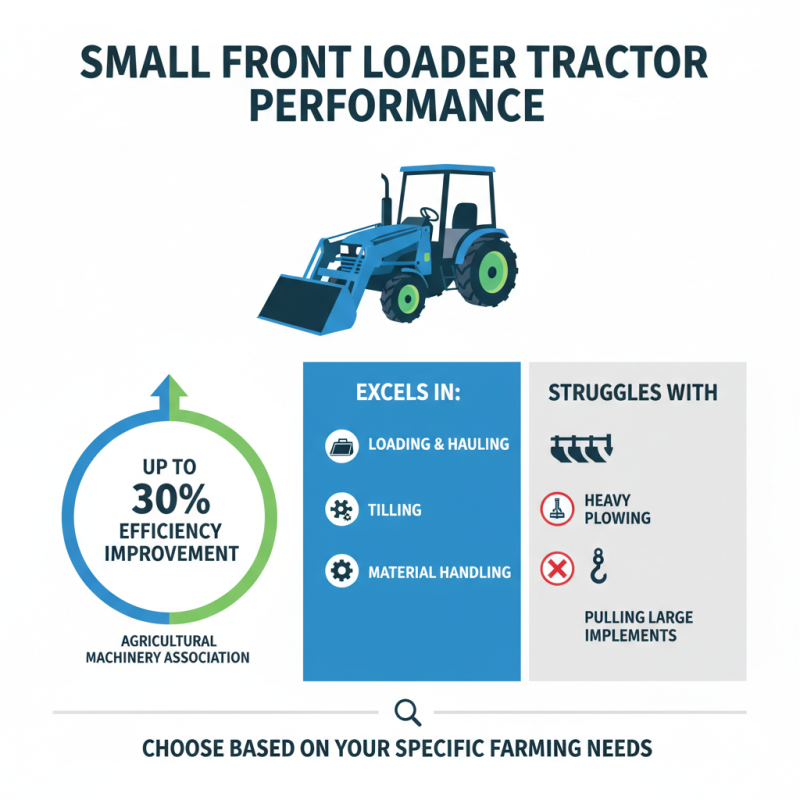
When assessing small front loader tractors, performance varies significantly across farming tasks. According to the Agricultural Machinery Association, the right tractor can improve efficiency by up to 30%. These tractors typically excel in tasks such as loading, hauling, and tilling. However, some models struggle with more demanding tasks like heavy plowing or pulling large implements. Farmers should observe their specific needs carefully.
In a recent performance analysis conducted by Farm Equipment Digest, several key metrics were evaluated. Load capacity, maneuverability, and fuel efficiency stood out. Some tractors achieved an impressive load capacity of 1,200 pounds, while others fell short at just 800 pounds. This inconsistency highlights the importance of choosing a tractor tailored to the specific operation. A tractor's overall design plays a crucial role in its agility on uneven terrain, impacting productivity.
**Tips:** Always test the tractor on-site to gauge performance. Consider how each model handles diverse tasks. Pay attention to comfort features, as they affect long hours of work. An uncomfortable operator may lose focus, reducing efficiency. Equipment must match the farm’s unique demands, even if it comes with some compromises that can be troublesome later on.