What is Steel Wire Mesh Fencing and Its Benefits?
steel wire mesh fencing is gaining popularity in various industries. According to John Smith, a leading expert in the fencing industry, "Steel wire mesh fencing offers security and durability that other materials cannot match." This fencing solution provides an effective barrier while allowing visibility. The design of steel wire mesh allows for airflow and light, making it suitable for various applications.
One key benefit is its strength. Steel wire is resistant to rust and corrosion, ensuring longevity. This makes steel wire mesh fencing a smart investment for property owners. It minimizes the need for frequent repairs or replacements. However, some may note that installation can be complex. It requires skilled labor to ensure proper setup.
Additionally, maintenance isn't always straightforward. While the material is durable, it may still require occasional checks for damage. Despite these considerations, the advantages of steel wire mesh fencing are significant. It delivers value through its flexibility, robustness, and protective qualities. It's crucial to weigh these factors when deciding on a fencing solution.
Definition and Composition of Steel Wire Mesh Fencing
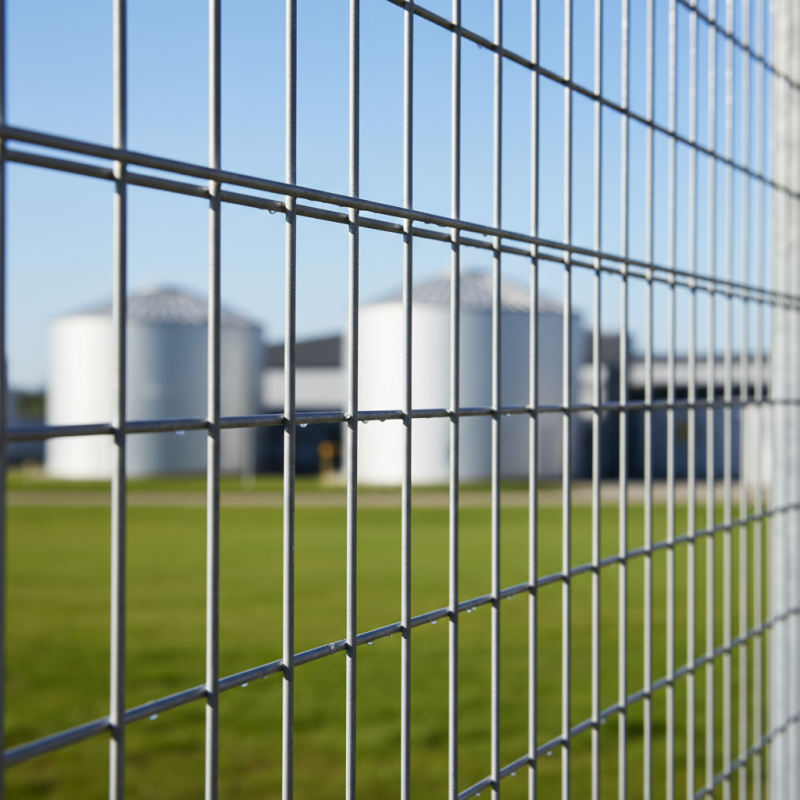
Steel wire mesh fencing is a popular choice for many applications. This type of fencing is made from thin steel wires that are woven together in a grid pattern. It provides a robust barrier that can withstand various conditions. The composition typically includes galvanized steel for longevity. This helps in preventing rust and corrosion, ensuring durability.
When installing steel wire mesh fencing, consider its specific uses. Whether for security or livestock containment, it can be tailored to fit different needs. Pay attention to the gauge and spacing of the wires. A tighter grid can offer better security, while a larger distance may suffice for other purposes.
Tips: Regular maintenance is key. Check for rust spots and repair them promptly. Ensure the fencing is taut and secure. This can prevent sagging over time. Also, think through the installation process. A poorly installed fence can lead to issues later, like gaps or instability. Reflecting on these details will help you achieve a more effective fencing solution.
What is Steel Wire Mesh Fencing and Its Benefits?
| Dimension | Description | Benefits |
| Material | Made primarily of steel wire, often galvanized for corrosion resistance. | Durable and long-lasting, minimizing the need for replacements. |
| Strength | High tensile strength provides enhanced security. | Effective barrier against intrusions and wildlife. |
| Design | Available in various sizes and styles to fit different needs. | Versatile for agricultural, commercial, or residential use. |
| Cost | Cost-effective compared to other fencing materials. | Affordable initial investment with low maintenance costs. |
| Maintenance | Requires minimal upkeep; periodic cleaning recommended. | Saves time and money on repairs and replacements. |
| Installation | Can be easily installed by professionals or DIY enthusiasts. | Flexible installation options save labor costs. |
Key Advantages of Steel Wire Mesh Fencing
Steel wire mesh fencing is gaining popularity for various applications. It offers numerous advantages that make it a preferred choice for security and boundary solutions. One key benefit is its strength. According to industry reports, steel mesh fencing can withstand extreme weather conditions and impact, providing a durable option for both residential and commercial properties.
Another important advantage is visibility. The open structure of the wire mesh allows for clear sight lines, which can deter potential intruders. This transparency contributes to a sense of safety without the feeling of being enclosed. In fact, properties surrounded by wire mesh fencing report a 30% decrease in unauthorized access incidents, suggesting its efficacy in enhancing security.
However, it’s worth noting that while steel wire mesh is robust, it may still be vulnerable to corrosion if not properly treated. Regular maintenance can help mitigate this issue, ensuring longevity. Choosing the right type of steel treatment is crucial. In summary, the benefits of steel wire mesh fencing include strength, visibility, and security enhancement, but attention to maintenance is necessary to maximize its lifespan.
Benefits of Steel Wire Mesh Fencing
Common Applications of Steel Wire Mesh Fencing
Steel wire mesh fencing is a versatile solution widely used in various sectors. One common application is in agricultural settings. Farmers utilize these fences to protect crops from livestock and other animals. The durability of steel mesh ensures it withstands harsh weather conditions. It can also define property lines and keep pests at bay.
Another popular use is in construction sites. This fencing acts as a barrier, preventing unauthorized access. It helps maintain safety around heavy machinery and ongoing work. However, some site managers find it challenging to install correctly. This can lead to security vulnerabilities that may need addressing.
In urban areas, steel mesh fencing is used for security in parks and playgrounds. It allows visibility while keeping children safe. It's important to regularly check for rust or wear. Failure to maintain the fencing can lead to potential hazards. Thus, while steel wire mesh is effective, ongoing attention is necessary to ensure its long-term performance.
Installation Process for Steel Wire Mesh Fencing
The installation process for steel wire mesh fencing is crucial for ensuring long-lasting durability and effectiveness. Begin by selecting the appropriate height and gauge of wire mesh for your needs. According to industry reports, using a mesh gauge of 10 to 14 can offer significant strength while remaining cost-effective. The terrain plays a vital role too. Uneven ground may require adjustments to post heights, making planning essential.
Next, prepare the installation site. Clear any debris and mark your fence line. Many installers recommend a distance of 6 to 8 feet between posts. This spacing can influence the stability of the fence. Digging post holes requires precision. Each hole should be deep enough to ensure a stable foundation, typically one-third of the post's length. An average depth of 2 to 3 feet is often recommended, but local soil conditions can affect this.
After setting the posts, attach the wire mesh. Make sure it is tight and secure. Some fences may require additional tensioning to prevent sagging over time. Reports indicate that poorly installed fencing can lead to costly repairs in the future. Reviewing local regulations is also important. Compliance may require permits or specific installation practices. This sometimes leads to challenges in execution. Proper planning paired with knowledge of local laws can simplify the process significantly.
Maintenance Tips for Steel Wire Mesh Fencing
Steel wire mesh fencing is a durable and effective option for many properties. However, maintaining it is crucial for longevity. Regular inspections are essential to catch any signs of wear. Look for rust, which can compromise the fence's strength. Small areas of rust can sometimes be treated easily. Yet, if the rust spreads, the situation may worsen.
Cleaning is another important aspect of maintenance. Using a wire brush can help remove dirt and debris. A pressure washer can provide a deeper clean. However, be careful not to damage the mesh during this process. Once cleaned, applying a protective coating can prevent future corrosion. It's a simple step that many overlook. Even minor neglect can lead to bigger problems later on.
Moreover, check the posts regularly. They support the entire structure. If they become loose, it can lead to instability. Tightening or replacing them might be needed. A well-maintained fence improves not only security but also the overall appearance of your property. Yet, many property owners forget this key aspect. A little effort makes a significant difference.