What is Steel Scaffolding for Sale and How to Choose It?
In the construction industry, steel scaffolding for sale is crucial for safety and efficiency. John Smith, a renowned scaffolding expert, states, “Choosing the right scaffolding can make or break a project.” This insight reflects the importance of making informed choices in this sector.
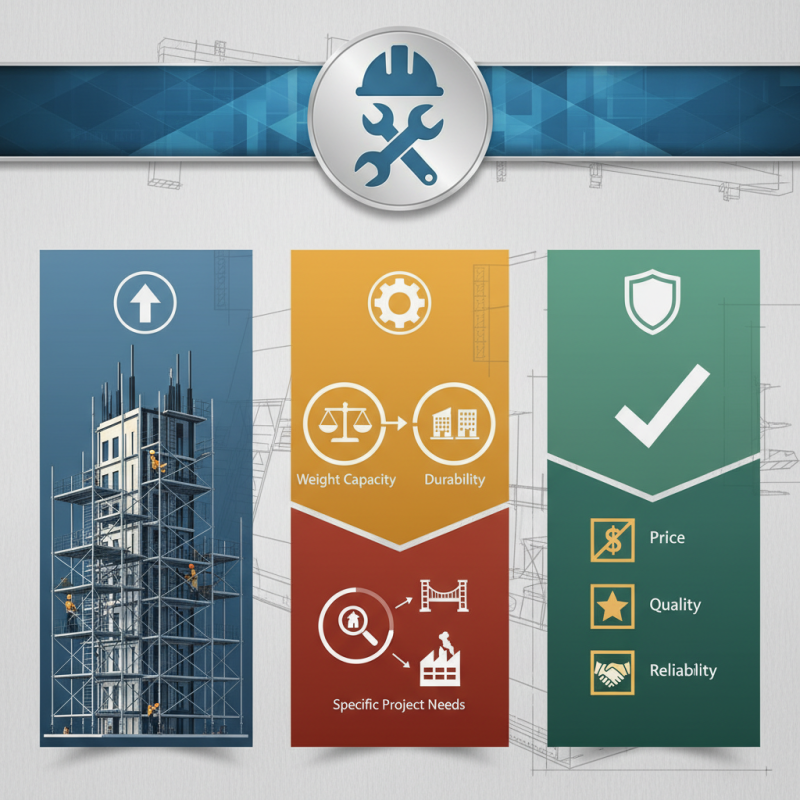
Selecting the appropriate steel scaffolding requires careful consideration. Factors such as weight capacity and durability come into play. Not every scaffolding option suits every project. Understanding your specific needs is vital. Many people overlook this aspect and later face setbacks.
Scaffolding choices can vary widely, leading to confusion. A lack of clarity can result in unsafe work environments. Steel scaffolding is preferred for its strength, yet one must reflect on all features. The decision process should involve deeper thinking. Assessing not just the price but the quality and reliability of the scaffolding is paramount.
What is Steel Scaffolding and Its Importance in Construction
Steel scaffolding is a critical component in modern construction. It provides a temporary structure that supports workers and materials. Without proper scaffolding, projects can face significant risks. Reports indicate that over 30% of construction accidents are related to scaffolding failures. This highlights the importance of quality and safety in choosing scaffolding.
When selecting steel scaffolding, consider the load capacity. Different projects require different strengths. The scaffolding should bear not just workers but also tools and materials. Look for certifications. Compliance with safety standards ensures reliability and reduces hazards on site.
*Tip: Always inspect scaffolding before use. Check for any damages or signs of wear.*
Another factor is ease of assembly. Scaffolding that is hard to set up can lead to delays. Inefficient processes can cost time and money. Select options that offer clarity in assembly instructions. This ensures a smoother workflow and a safer environment.
*Tip: Educate workers on proper assembly techniques.*
Investing time in these selections can lead to safer construction sites. Enhancing safety and efficiency should always be a priority.
Steel Scaffolding Types and Their Usage Frequencies
Key Types of Steel Scaffolding and Their Applications in the Industry
Steel scaffolding is essential in various industries, providing support for construction and repairs. There are several key types, each serving different purposes. For example, modular scaffolding offers flexibility. Builders can easily assemble and dismantle these structures. They are ideal for projects that require quick setup.
Another type is the system scaffolding. This type uses prefabricated components, which can save time. It is often seen in large-scale projects, like skyscrapers. Conversely, frames and braces scaffolding is more traditional. While it is straightforward, it might not always adapt well to complex structures.
Choosing the right type often involves assessing the project needs. How high is the building? What weight will it support? Safety is always a concern. Inspecting the integrity of the scaffolding before use is critical. Making the right choice can significantly affect the project's efficiency and safety. Often, the nuances of each type can lead to confusion. This lack of understanding can lead to misapplication. Choosing wisely is crucial for success in the construction industry.
Factors to Consider When Choosing Steel Scaffolding for Safety and Stability
When selecting steel scaffolding, safety and stability are paramount factors to consider. A study by the Occupational Safety and Health Administration (OSHA) shows that nearly 50% of scaffold-related accidents involve falls. Ensuring the scaffolding can bear the required load is crucial. The American National Standards Institute (ANSI) recommends that scaffolding must support at least four times the intended load. This includes both workers and materials.
Another important consideration is the material quality. Not all steel is created equal. Low-grade steel may compromise stability. It's essential to choose scaffolding made from high-strength carbon steel. Regular inspections are necessary to identify any signs of wear or rust that could lead to failure. Some workers might overlook this, assuming their scaffolding is safe.
Placement also matters. Uneven ground can affect the structural integrity of the scaffolding. This is often underestimated on construction sites. Adequate base plates and adjustable screw jacks should be used to maintain balance. Inadequate setup leads to accidents and potential project delays. These factors underscore the importance of careful planning and continuous monitoring in scaffolding use.
What is Steel Scaffolding for Sale and How to Choose It? - Factors to Consider When Choosing Steel Scaffolding for Safety and Stability
| Factor | Description | Importance | Recommendation |
| Material Quality | High-strength steel is preferable for durability and load-bearing capacity. | Critical | Choose scaffolding certified for compliance with local standards. |
| Weight Capacity | Determine the maximum load the scaffolding can support based on your project needs. | Very Important | Select scaffolding with a weight rating that exceeds the anticipated load. |
| Design and Configuration | Different configurations are suitable for varied applications; choose based on project layout. | Important | Consult with experts to choose the right design that enhances stability. |
| Ease of Assembly | Consider how straightforward it is to set up the scaffolding, including the required tools. | Moderately Important | Choose systems that allow for quick and safe assembly. |
| Safety Features | Look for guardrails, toeboards, and locking mechanisms to enhance worker safety. | Essential | Always prioritize scaffolding that includes comprehensive safety features. |
| Price | Evaluate the cost in relation to quality and safety rather than just looking for the lowest price. | Important | Invest in quality scaffolding that fits your budget while ensuring safety. |
Industry Standards and Certifications for Quality Steel Scaffolding
When considering steel scaffolding for sale, it's crucial to understand industry standards and certifications. Quality matters, especially in construction. Look for scaffolding that meets or exceeds OSHA and ANSI regulations. These standards assure safety and reliability. Ensure the scaffolding offers easy assembly and disassembly processes without compromising functionality.
Certifications can guide your choice. ISO certifications indicate stringent quality control processes. Manufacturers who invest in these are often more reliable. Moreover, check for any local codes that may apply. Regional regulations may vary, and sometimes overlooked. Ignoring these specifics could lead to unsafe practices.
While aesthetics and price may catch your eye, focus on robust construction. Steel scaffolding should be durable and resistant to corrosion. Pay attention to load capacity ratings. Manufacturers should provide clear, understandable labels. Overall, doing your homework on standards and certifications can prevent costly mistakes down the road.
Market Trends and Pricing Analysis for Steel Scaffolding for Sale
Steel scaffolding has become essential in construction. Its strength and durability help support various projects. Market trends indicate a growing demand for high-quality scaffolding solutions. As construction expands globally, steel scaffolding for sale sees significant interest.
Pricing analysis shows a variance based on quality, thickness, and design. Basic models may start cheaper, but investing in robust options pays off. Buyers may find themselves comparing prices across multiple suppliers. However, not all low-priced scaffolding guarantees safety. It's crucial to assess the material's quality before making a purchase. A few dollars saved can result in larger issues later.
Local regulations can also impact pricing. Understanding the market and regional requirements is key. Seasonal fluctuations might cause price changes too. Keeping an eye on these trends can provide better insight. Buyers should also consider the reputation of suppliers. Researching feedback from other customers is vital. Decisions should not be rushed. Take time to reflect on choices. This can lead to better outcomes in the long run.