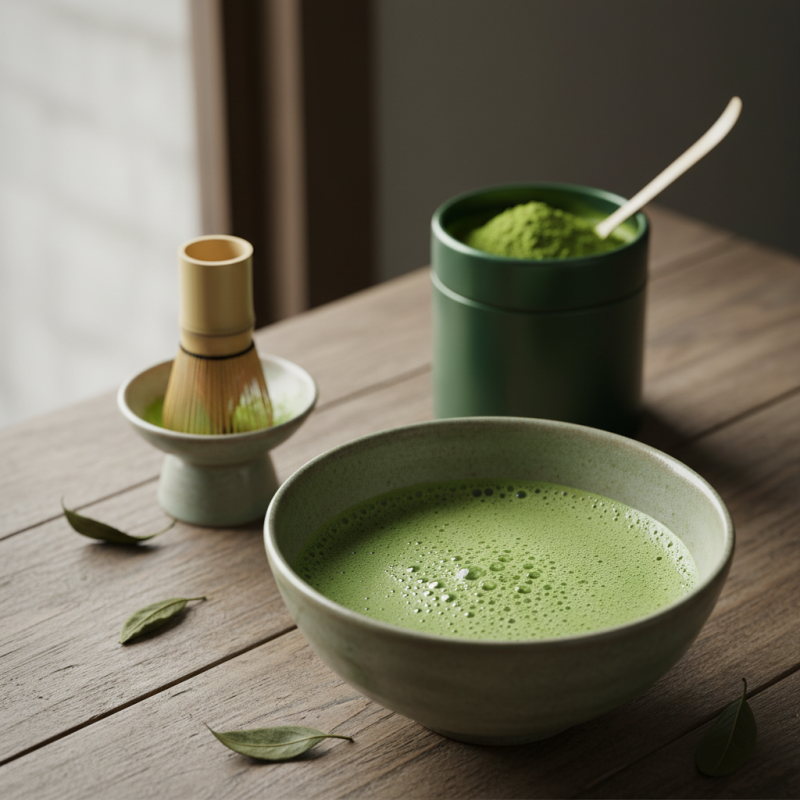
What is Matcha Powder and Why is it So Popular?
Matcha Powder has surged in popularity over recent years. This vibrant, green tea powder is rich in antioxidants and offers a unique flavor profile. Renowned tea expert, Dr. Naoko Nishida, says, "Matcha Powder is more than a beverage; it’s a lifestyle choice." Her insights highlight how this powdered tea transcends mere consumption.
People are drawn to Matcha Powder for its numerous health benefits. It boosts metabolism, promotes relaxation, and enhances focus. However, not all matcha is created equal. Purchasing from reliable sources is crucial. Many brands may compromise quality. This situation prompts consumers to reflect on their choices.
Ultimately, Matcha Powder can be more than just a trend. It invites exploration and mindful consumption. As it gains traction globally, individuals must consider what they truly seek in their wellness journey. Is it convenience or quality? The answers may redefine how we enjoy Matcha Powder.
What is Matcha Powder?
Matcha powder is a finely ground form of green tea. It comes from high-quality tea leaves that are shade-grown. This unique process boosts the chlorophyll content, giving matcha a vibrant green color. The leaves are meticulously harvested, steamed, and then stone-ground into a fine powder. The result is a rich and aromatic powder, full of antioxidants.
People often rave about matcha for its health benefits. It is packed with catechins, which are powerful antioxidants. These nutrients can promote relaxation and improve focus. Some enjoy matcha for its smooth taste, distinct from regular green tea. The preparation of matcha can be an art, too. Whisking the powder with hot water creates a frothy beverage.
Despite its popularity, matcha can have a steep learning curve. The right water temperature and whisking technique matter. If not done correctly, it can taste bitter. Some find the texture gritty or too strong. Experimentation is key. Everyone has different preferences when it comes to flavor and strength.
The Historical Origins of Matcha Powder
Matcha powder has a rich history that dates back to the Tang Dynasty in China (618-907 AD). Buddhist monks began using powdered tea to enhance their meditation practices. They found that matcha offered calming effects and improved focus. This practice later spread to Japan, where it evolved into a ceremonial art known as the tea ceremony.
Research indicates that matcha contains higher levels of antioxidants than regular green tea. A study in the Journal of Food Science found that matcha green tea can contain up to 137 times more antioxidants than other types. These compounds offer potential health benefits. Yet, it’s essential to choose quality matcha. Not all matcha is created equal. Certain lower-quality types may lack these beneficial properties, leading to consumer confusion.
Interestingly, matcha has gained immense popularity in recent years. In 2020, the global matcha market was valued at approximately $2.7 billion and is projected to grow significantly. However, not everyone enjoys its unique flavor. Some find it too grassy or bitter. It's a matter of personal taste. Each cup offers a different experience. It's this complex relationship with the beverage that continues to captivate and challenge enthusiasts.
Nutritional Benefits of Matcha Powder
Matcha powder has gained immense popularity for its unique flavor and vibrant color. Beyond aesthetics, its nutritional benefits are noteworthy. According to a report by the International Journal of Food Sciences, matcha contains essential amino acids, vitamins, and minerals. Specifically, it is rich in antioxidants called catechins. These compounds may help combat oxidative stress in cells.
Studies show that matcha can enhance metabolism by up to 30%. This benefit may aid in weight management. Additionally, matcha has roughly three times the caffeine found in regular green tea. This can provide a more sustained energy boost. However, excessive consumption may lead to jitteriness or digestive discomfort in some people.
Many health enthusiasts praise matcha's potential to support mental clarity. A study published in the Journal of Health Psychology found improved focus and reduced anxiety in participants after consuming matcha. Still, individual responses can vary significantly. Balancing matcha intake is essential to fully enjoy its benefits without adverse effects.
How to Prepare and Enjoy Matcha Powder
Preparing matcha powder can be a delightful process. Start with high-quality matcha. Sift one to two teaspoons into a bowl. This helps avoid clumps and improves texture. Hot water boosts flavor. Use water around 175°F (80°C) for optimal taste. Pour in about three to four ounces of water.
Now, use a bamboo whisk, known as a chasen, for stirring. Whisk briskly in a W or M motion. Aim for frothy, vibrant green liquid. It's an art that needs practice. Not everyone achieves a perfect froth on the first try.
Enjoying matcha can also be flexible. Some prefer it plain, while others add sweeteners or milk. This powder has often been praised in reports. According to market research, the global matcha market was valued at approximately $2.5 billion in 2020 and is expected to grow by over 8% annually. Such figures reflect growing interest and a shift in consumer habits. Matcha is more than a trend; it's an evolving experience.
The Rising Popularity of Matcha in Modern Culture
Matcha powder has surged in popularity across various cultures. This vibrant green powder is made from ground green tea leaves. Rich in antioxidants, it offers a unique flavor profile that many find delightful. Its use extends beyond traditional tea drinking. Today, you can find it in lattes, smoothies, and even desserts. This versatility contributes to its modern appeal.
Social media plays a significant role in this trend. Stunning visuals of matcha drinks and desserts flood platforms like Instagram. The bright color and artistic presentations attract many users. People are drawn to its aesthetic appeal and health benefits. However, matcha also requires careful preparation. The whisking technique is key to achieving the right consistency. Many newcomers struggle to get it right and end up with a clumpy drink. This can be frustrating, but it also creates a learning opportunity.
Matcha's rise in cafes and tea shops reflects a broader health trend. Consumers are seeking alternatives to coffee and sugary drinks. While matcha has its benefits, some may overlook its caffeine content. It’s important to enjoy it mindfully. The popularity of matcha highlights a growing appreciation for mindful consumption. Finding balance in our diets can be challenging, yet rewarding.
Matcha Powder Popularity Over the Years
This bar chart illustrates the rising popularity of matcha powder over the years based on Google Trends search interest. The data indicates a significant increase in interest, especially in the last few years as matcha has become a trendy ingredient in various culinary applications.