Essential Hobby Farm Equipment for Successful Small Farming in 2025
As the landscape of small farming evolves, the importance of having the right hobby farm equipment cannot be overstated. In 2025, successful small farming will hinge on accessibility to efficient tools that can help both seasoned farmers and newcomers streamline their operations. According to expert agricultural engineer Dr. Emily Carter, "Investing in quality hobby farm equipment is not just about enhancing productivity; it’s about cultivating a sustainable farming lifestyle." This sentiment reflects the growing trend of individuals seeking to embrace small-scale farming as a fulfilling hobby while also contributing to local food systems.
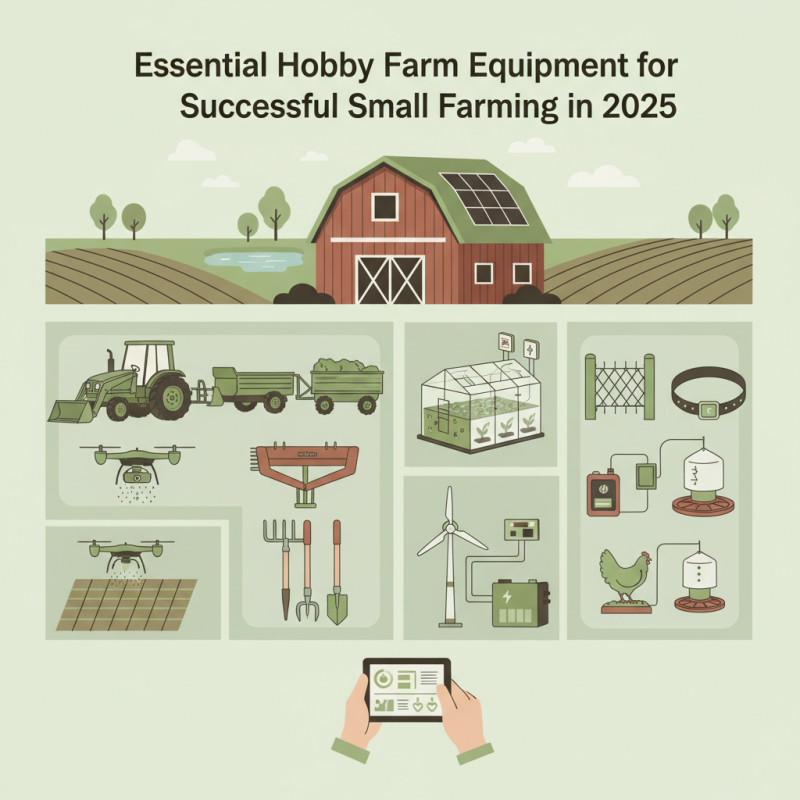
In this new era of hobby farming, understanding what equipment is essential will empower farmers to make informed decisions. From basic tools to advanced machinery, the right equipment can significantly reduce labor and increase the efficiency of farming practices. Farmers are encouraged to focus on versatility and durability in their equipment choices to survive in an increasingly competitive market, ensuring their efforts are both enjoyable and rewarding. The following discussion will delve into key pieces of hobby farm equipment that are poised to shape successful small farming endeavors in 2025.
Essential Tools for Land Preparation in Small Farming
Preparing land effectively is the cornerstone of successful small farming, especially as we look towards 2025. Proper land preparation not only ensures optimal growth conditions for crops but also sets the stage for efficient management of resources.
Basic tools such as a hand tiller and garden fork are essential for turning the soil and breaking up clumps, which promotes aeration and improves drainage. These simple yet effective tools can help farmers prepare their plots before planting, making it easier to work in compacted soil.
In addition to traditional hand tools, small farming in 2025 will benefit significantly from lightweight power equipment. Compact tillers, for instance, can quickly cover larger areas, saving time and labor. Further, seeds can be sown more evenly with seed drills, which ensure better distribution and density.
Incorporating organic matter into the soil through mulching or composting can enhance fertility and structure. By utilizing these essential tools for land preparation, small farmers can improve yields and maintain eco-friendly practices, leading to more sustainable farming outcomes.
Key Types of Livestock and Their Required Equipment
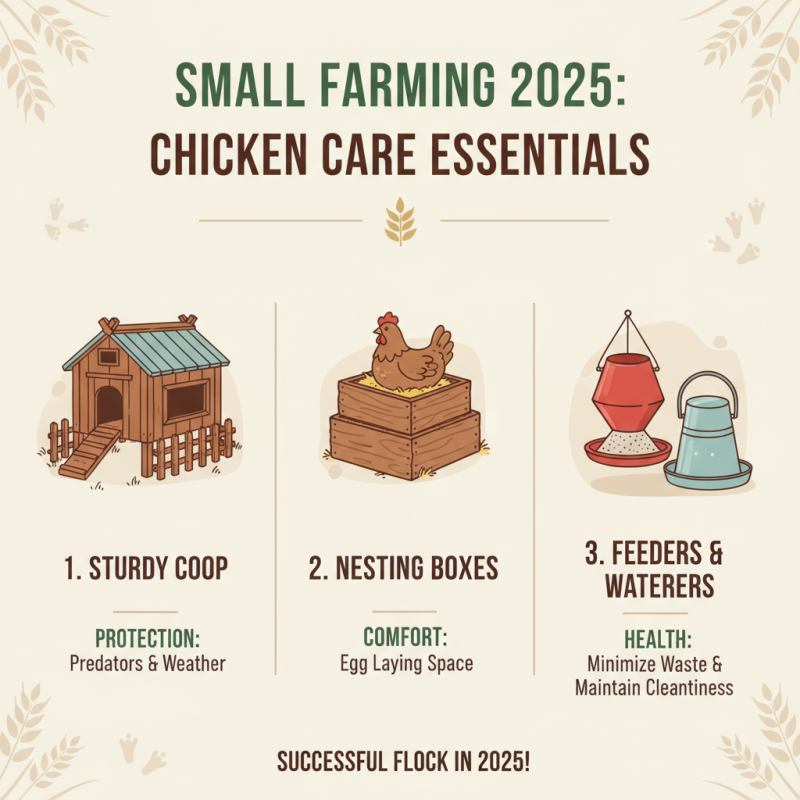
When embarking on a small farming adventure in 2025, understanding the key types of livestock and the equipment required for their care is paramount. For instance, raising chickens for eggs necessitates sturdy coops that can protect against predators and harsh weather conditions. Proper nesting boxes are essential, as they provide a comfortable space for hens to lay eggs. Additionally, feeders and waterers designed to minimize waste and maintain cleanliness will ensure that the flock remains healthy and productive.
Similarly, if you choose to keep goats, you will need specialized equipment such as climbing structures, as they are naturally inclined to climb and explore. Shelter must also be designed to accommodate their social nature while providing adequate protection from the elements. If dairy goats are part of your operation, milking equipment that is easy to use and clean is also crucial for maintaining hygiene standards. Furthermore, pigs require secure enclosures that allow them to root around, along with proper feeding equipment to ensure a balanced diet. Thus, selecting the right equipment tailored to each type of livestock is essential for successful small farming in the coming years.
Irrigation Systems: Choosing the Right Setup for Your Farm
When establishing a successful hobby farm in 2025, choosing the right irrigation system is imperative for optimizing crop yields and conserving water. Various factors must be considered when selecting a setup, including the size of the farm, the types of crops being cultivated, and the availability of water sources. Drip irrigation, for example, is an efficient method that delivers water directly to the plant roots, minimizing water wastage and reducing the risk of disease caused by excess moisture on foliage. This method not only ensures that crops receive the necessary hydration but also allows for precise control over water delivery based on specific plant needs.
In contrast, sprinkler systems can cover larger areas and are ideal for farms with diverse crop types that require different watering strategies. Modern technology has made it easier to automate these systems, enabling farmers to program schedules based on weather patterns and soil moisture levels. For small farmers, incorporating a rainwater collection system can further enhance irrigation strategies, allowing them to utilize natural resources effectively. Ultimately, the right irrigation setup will depend on the specific goals of the farm, emphasizing water management, cost efficiency, and sustainability for successful cultivation in the years to come.
Essential Hobby Farm Equipment for Successful Small Farming in 2025
Irrigation Systems: Choosing the Right Setup for Your Farm
Harvesting and Storage Solutions for Efficient Crop Management
Efficient crop management is crucial for small farmers looking to maximize their yields and ensure high-quality produce. Harvesting and storage solutions play a vital role in this process. For instance, investing in modular storage systems can significantly enhance the longevity and quality of harvested crops. These systems allow for optimal airflow and temperature control, which are essential in preventing spoilage and maintaining freshness. Make sure to implement a rotation method for your stored produce to minimize waste and ensure that older stock is used first.
When it comes to harvesting, choosing the right tools can streamline the process and reduce labor time. Handheld harvesters and multi-purpose tools can significantly increase efficiency, allowing farmers to quickly gather crops while minimizing damage. It's also important to harvest at the right time; this ensures optimal flavor and nutrient content. Utilizing flexible harvesting schedules based on weather forecasts and crop readiness can greatly enhance your harvest outcomes.
Tips: Always inspect your harvesting tools for wear and tear before the season starts to avoid delays. Regular maintenance of storage facilities can help prevent pests and diseases that may impact your crops. Additionally, consider implementing a simple labeling system to track the different crops in storage, which helps prevent mix-ups and optimizes your inventory management.
Sustainable Practices: Eco-Friendly Equipment for Small Farms
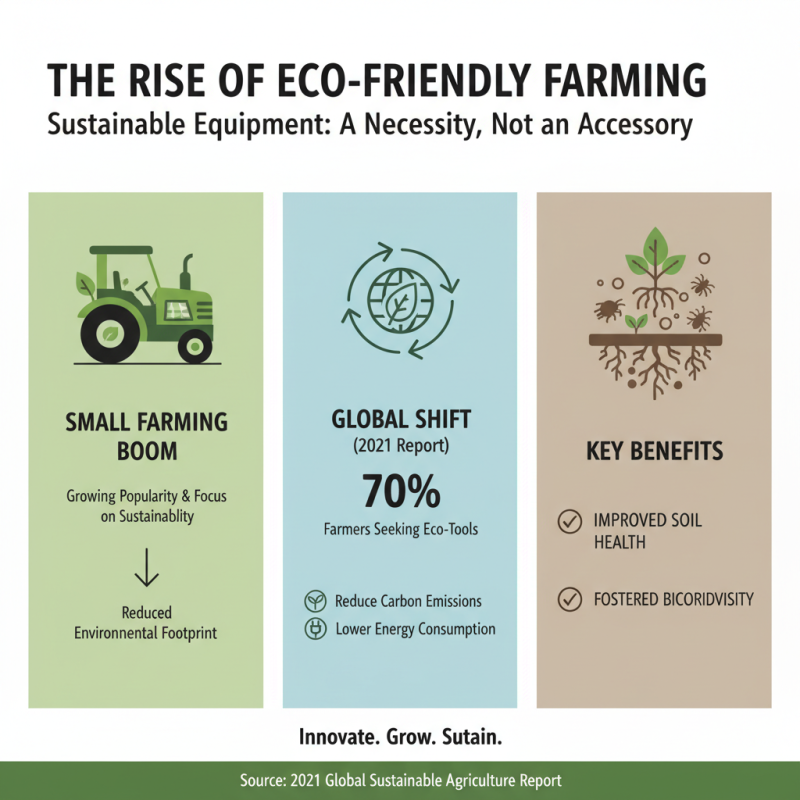
As small farming continues to gain popularity, the emphasis on sustainable practices has vastly changed the landscape of agricultural equipment. Eco-friendly equipment is now not merely an accessory but a necessity for conscientious farmers aiming to minimize their environmental footprint. According to the 2021 Global Sustainable Agriculture Report, approximately 70% of farmers are actively seeking efficient and environmentally friendly tools that reduce carbon emissions and energy consumption. This trend demonstrates a growing recognition that adopting sustainable practices is crucial for maintaining soil health and fostering biodiversity.
Key pieces of eco-friendly equipment include solar-powered irrigation systems, which use renewable energy to automate water delivery. Studies indicate that these systems can decrease water usage by up to 30%, a critical factor given that irrigation accounts for roughly 70% of global freshwater withdrawals. Additionally, no-till farming machinery plays a vital role in promoting soil conservation and decreasing erosion. The 2020 Agriculture Innovation Technology Report states that such practices not only enhance soil quality but can also increase production yields by as much as 20% over time, showcasing how sustainable methods can drive both ecological balance and profitability on small farms.
Investments in energy-efficient machinery, such as electric or hybrid tractors, are also becoming increasingly popular. Data from the National Agricultural Statistics Service indicates that farmers adopting these technologies report a reduction in fuel costs of up to 40%. Such advancements not only contribute to lowering greenhouse gas emissions but also empower farmers to align their operations with the principles of sustainability while ensuring their economic viability in an ever-changing market.