Why Choosing Second Hand Farm Equipment Can Save You Money and Boost Efficiency
In recent years, the agricultural sector has witnessed a significant shift towards the adoption of
second hand farm equipment, driven by the dual motives of
cost efficiency and enhanced operational performance. A comprehensive report by the
Agricultural Equipment Manufacturers Association (AEMA) highlights that
approximately 40% of farmers in the United States now prefer
purchasing used machinery as a means to mitigate the rising costs associated with farming. This trend underscores
not only the financial prudence associated with second hand farm equipment but also its potential to increase
productivity on the farm.
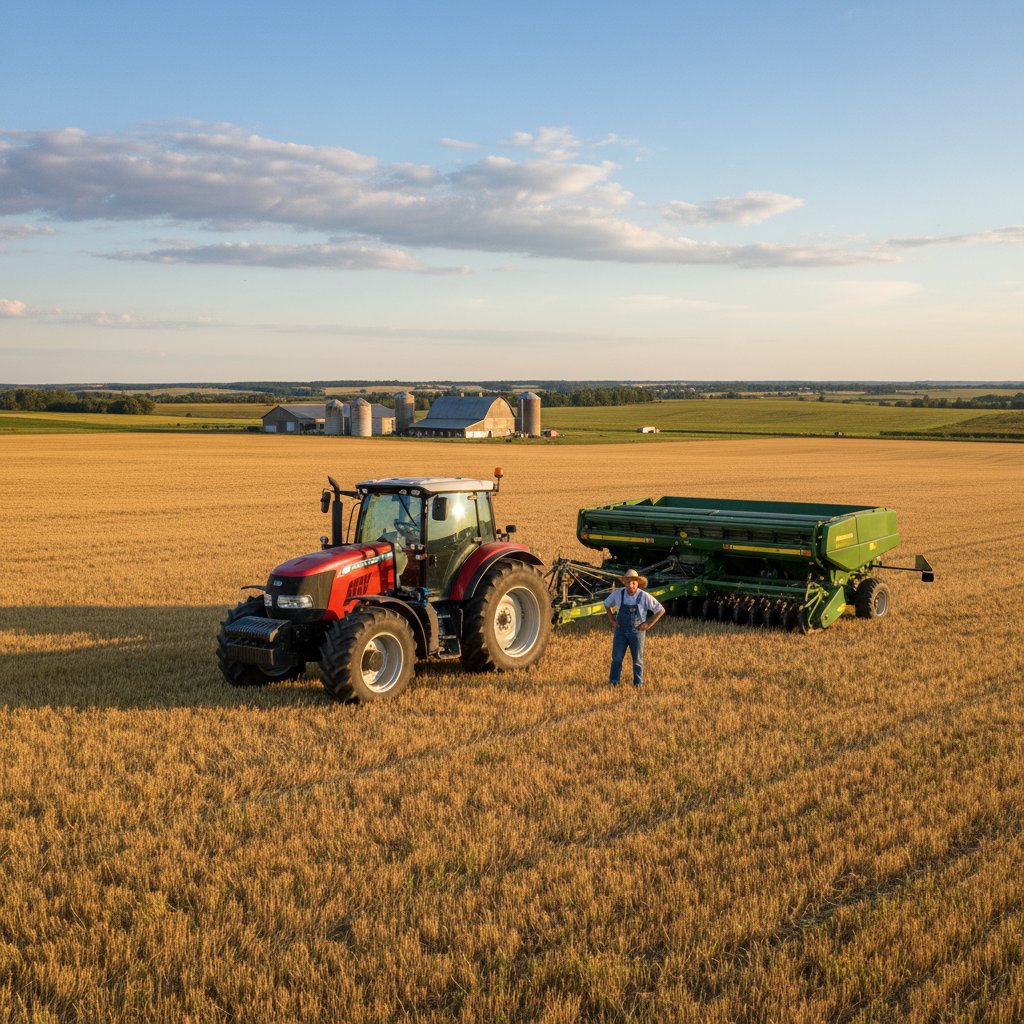
According to industry expert Dr. John Maxwell, a renowned agricultural
economist, “Investing in second hand farm equipment can lead to savings of up to
30% compared to new machinery, without compromising
on effectiveness.” This perspective is echoed across the farming community, where many operators have successfully
integrated pre-owned equipment into their operations, thereby enhancing efficiency while maintaining competitiveness
in an increasingly challenging market.
Ultimately, the decision to opt for second hand farm equipment goes beyond mere initial savings; it reflects a
strategic approach to resource management and sustainability. As we delve into the top five reasons why
second hand machinery is gaining traction, it becomes clear that
this trend is not only about saving money but also about fostering a more resilient agricultural future.
Benefits of Purchasing Used Farm Equipment for Budget-Conscious Farmers
Purchasing used farm equipment can be a game-changer for budget-conscious farmers looking to enhance their operations without overspending. With the rising costs of new machinery and equipment, second-hand tools represent a viable, affordable alternative.
Farmers can save significantly on their initial investments while still acquiring reliable machinery that meets their operational needs. This is especially crucial in an era where financial sustainability is paramount.
Additionally, the shift toward eco-friendly practices in agriculture is making used equipment even more appealing. As farmers increasingly seek to adopt sustainable methods, eco-friendly used equipment aligns well with their goals. Not only does this practice reduce waste and minimize the carbon footprint, but it also caters to the growing demand for environmentally responsible farming. By choosing second-hand solutions, farmers not only save money but also contribute to a more sustainable agricultural future.
Cost Comparison: New vs. Second Hand Farm Equipment
When considering farm equipment purchases, the cost comparison between new and second-hand options is crucial for budget-conscious farmers. New equipment often comes with a substantial price tag, influenced by the latest technology, warranties, and brand value. For example, a new tractor could cost considerably more than a used model, which may still have plenty of life left. By opting for second-hand equipment, farmers can significantly reduce initial investment costs, allowing them to allocate funds to other vital areas of their operations.
Moreover, the efficiency of second-hand equipment should not be underestimated. Many used farm machines have undergone proper maintenance and have proven their reliability in real-world conditions. Purchasing second-hand allows farmers to acquire high-quality, durable machines at a fraction of the new price, maximizing operational efficiency without the financial strain. This smart financial decision can lead to a thriving farm business, where funds are wisely spent to enhance productivity and profitability.
Evaluating the Efficiency Gains from Pre-Owned Agricultural Machinery
When evaluating the efficiency gains from pre-owned agricultural machinery, it is essential to recognize the technological advancements and durability of modern farm equipment. Many second-hand machines are engineered to last, offering features that enhance performance while being more cost-effective than new alternatives. Farmers can acquire reliable equipment with proven track records, enabling them to maximize productivity without incurring the high costs of brand-new models.
Additionally, choosing second-hand farm equipment often leads to short-term savings that can be reinvested into other vital areas of operation. As agricultural technology continues to evolve, last year's models can still deliver robust efficiency levels suitable for various farming tasks. The careful selection of pre-owned machinery allows farmers to maintain or even improve their operational capacity while managing budgets more effectively, ultimately leading to greater financial resilience in an ever-competitive market.
Tips for Inspecting and Choosing Quality Second Hand Equipment
When considering second-hand farm equipment, the key to a successful purchase lies in thorough inspection. According to a report by the American Farm Bureau Federation, nearly 60% of farmers opt for used machinery to save costs without sacrificing performance. However, selecting quality equipment requires a keen eye and a systematic approach. Inspecting the machinery for signs of wear, rust, or damage is crucial. Pay particular attention to the engine, hydraulic systems, and overall functionality. Bringing along a knowledgeable mechanic can greatly enhance your evaluation process.
Additionally, research the brand and model you’re considering. The Agricultural Marketing Resource Center states that well-known equipment brands often have a higher resale value and better parts availability. Look for maintenance records as they can provide insight into how well the equipment was cared for. Furthermore, consulting online reviews and community forums can guide you to reputable sellers and help gauge the reliability of specific models. By employing these inspection tips, farmers can make informed decisions, ensuring that their investment in second-hand equipment is both economical and efficient.
Maximizing Value: Maintenance and Upgrades for Used Farm Implements
Opting for second-hand farm equipment can be a smart financial choice for many farmers. The initial investment is significantly lower than buying new machinery, allowing you to allocate funds toward maintenance and upgrades that can enhance performance. When purchasing used equipment, it's crucial to prioritize regular maintenance. This not only prolongs the life of the machinery but also ensures that it operates at peak efficiency. Regular servicing and timely repairs can prevent larger issues that may arise from neglect, saving you money in the long run.
Additionally, investing in upgrades for older implements can yield remarkable improvements in productivity. Modern technology can often be retrofitted to enhance the capabilities of second-hand machinery. For example, integrating precision farming technologies or advanced control systems can optimize operations and reduce waste. By focusing on both maintenance and strategic upgrades, farmers can maximize the value of their second-hand equipment, making it a viable option that aligns with both economic and operational goals.
Why Choosing Second Hand Farm Equipment Can Save You Money and Boost Efficiency - Maximizing Value: Maintenance and Upgrades for Used Farm Implements
| Equipment Type |
Average Price (New) |
Average Price (Used) |
Potential Savings |
Expected Lifespan (Years) |
Maintenance Cost (Yearly) |
| Tractor |
$50,000 |
$30,000 |
$20,000 |
15 |
$1,500 |
| Harvester |
$150,000 |
$90,000 |
$60,000 |
20 |
$3,000 |
| Soil Cultivator |
$25,000 |
$15,000 |
$10,000 |
10 |
$800 |
| Baler |
$45,000 |
$25,000 |
$20,000 |
12 |
$1,200 |