How to Choose the Right Valley Tractor and Equipment for Your Farming Needs
When it comes to modern agriculture, selecting the right tools and machinery can significantly impact productivity and efficiency. Among the various options available, "valley tractor and equipment" stand out as essential assets for farmers aiming to optimize their operations. These robust machines are designed to handle a variety of tasks, from tilling and planting to harvesting and transporting goods. Given the diversity of farming needs and the plethora of equipment options, making an informed choice is crucial.
In this guide, we will explore key considerations that can help farmers identify the right valley tractor and equipment tailored to their specific requirements. From understanding the layout of your fields to assessing the power and performance capabilities of different models, these factors can influence not only the investment cost but also the long-term efficiency and sustainability of farming practices. As we delve into the features and benefits of various valley tractors and equipment, we aim to equip farmers with the knowledge needed to enhance productivity and streamline their workflow for years to come.
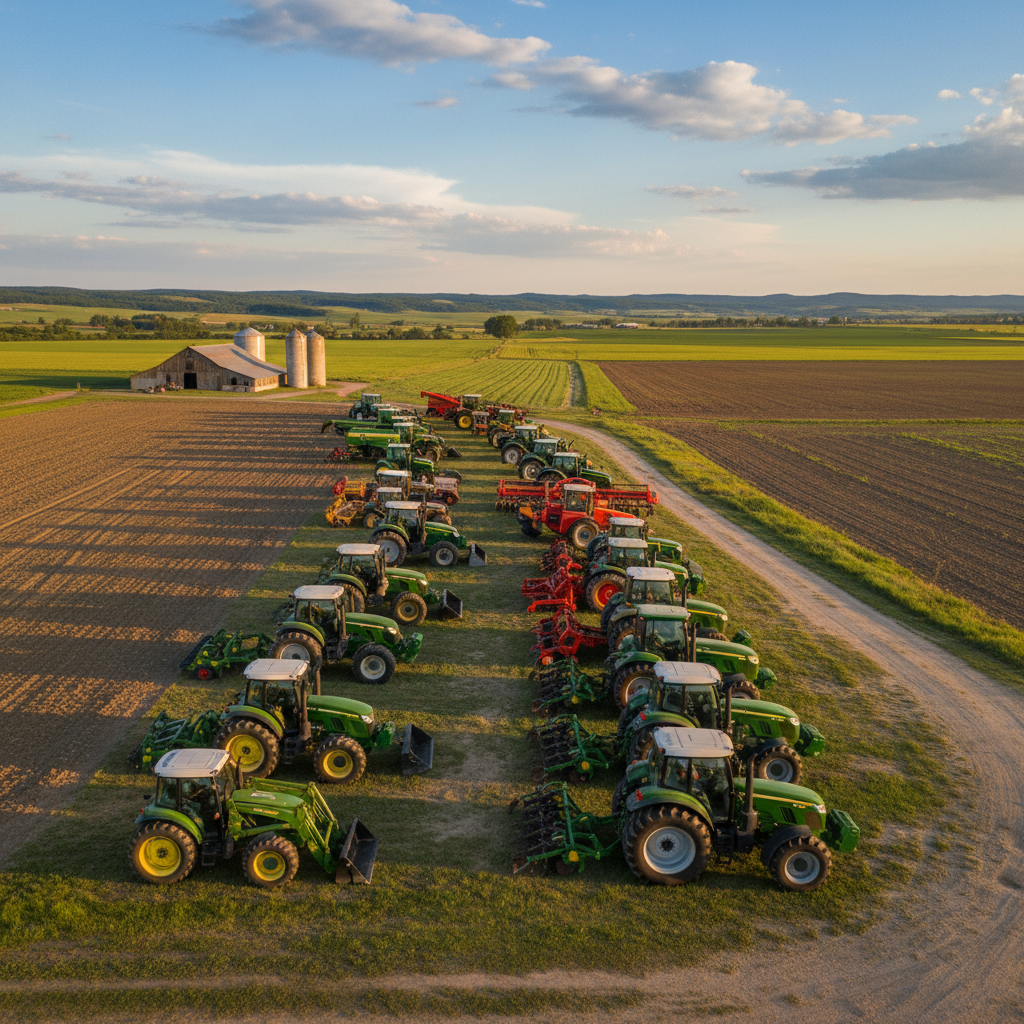
Understanding Key Specifications of Valley Tractors and Equipment
When selecting the right Valley tractor and equipment for your farming needs, understanding key specifications is crucial for optimizing performance and efficiency. One of the primary specifications to consider is the tractor's horsepower. This determines how much power the tractor can exert, influencing its ability to handle various farming tasks, from tilling to harvesting. For example, higher horsepower is often necessary for larger fields and more demanding equipment, whereas smaller operations may benefit from a compact model that offers greater maneuverability.
Another important specification is the tractor's hydraulic system capability. This influences the equipment's ability to lift and move heavy loads. A robust hydraulic system allows you to operate various attachments, such as loaders or plows, with ease. Additionally, pay attention to the transmission type; whether it's manual, automatic, or hydrostatic can greatly impact how you operate the machinery and how smoothly it performs across different terrains. Understanding these specifications will empower you to make informed decisions that align with your specific agricultural goals.
Evaluating the Towing Capacity: Essential for Effective Farming Operations
When selecting the right valley tractor for your farming needs, evaluating the towing capacity is a critical component that can significantly impact your operation's efficiency and productivity. According to the American Society of Agricultural and Biological Engineers (ASABE), the average farming operation can benefit from a towing capacity that meets or exceeds 8,000 pounds, especially if you're handling larger implements like planters or cultivators. This capacity not only facilitates a smoother workflow but also reduces the time spent on heavy lifting tasks, allowing farmers to allocate their resources more effectively.
Additionally, understanding the terrain and the specific demands of your farm is crucial. For instance, a recent report by the National Agricultural Statistics Service (NASS) indicates that a substantial percentage of farms utilize tractors that range between 40 to 100 horsepower, which correlates directly with their towing capacity. Choosing a tractor within this range while ensuring it has an appropriate towing capacity for the implements you intend to use can greatly enhance your operational efficiency. In rural areas where soil compaction and tractor maneuverability are concerns, prioritizing towing strength while also considering the tractor's overall weight and size will help optimize performance and minimize strain on fields.
How to Choose the Right Valley Tractor and Equipment for Your Farming Needs - Evaluating the Towing Capacity: Essential for Effective Farming Operations
| Tractor Model |
Engine Power (HP) |
Towing Capacity (lbs) |
Weight (lbs) |
Best Use Case |
| Model A |
50 |
4500 |
3200 |
Small Crop Fields |
| Model B |
75 |
6000 |
3800 |
Medium Farms |
| Model C |
100 |
8000 |
4500 |
Large Crop Production |
| Model D |
125 |
9500 |
5000 |
Heavy Duty Farming |
| Model E |
150 |
12000 |
6000 |
Mixed Farming |
Assessing Engine Power: How to Match Tractor Specs with Crop Type
When selecting a valley tractor, one of the most critical aspects to consider is the engine power, which should be tailored to the specific crop type you intend to farm. Different crops have varying requirements for soil preparation, planting, and harvesting, which directly influence the horsepower needed. For example, if you're cultivating heavy-duty crops like corn or wheat, a tractor with a higher horsepower range will be necessary to maneuver through dense fields and perform tasks efficiently. Conversely, lighter crops such as vegetables may require less power, allowing for smaller, more fuel-efficient tractors.
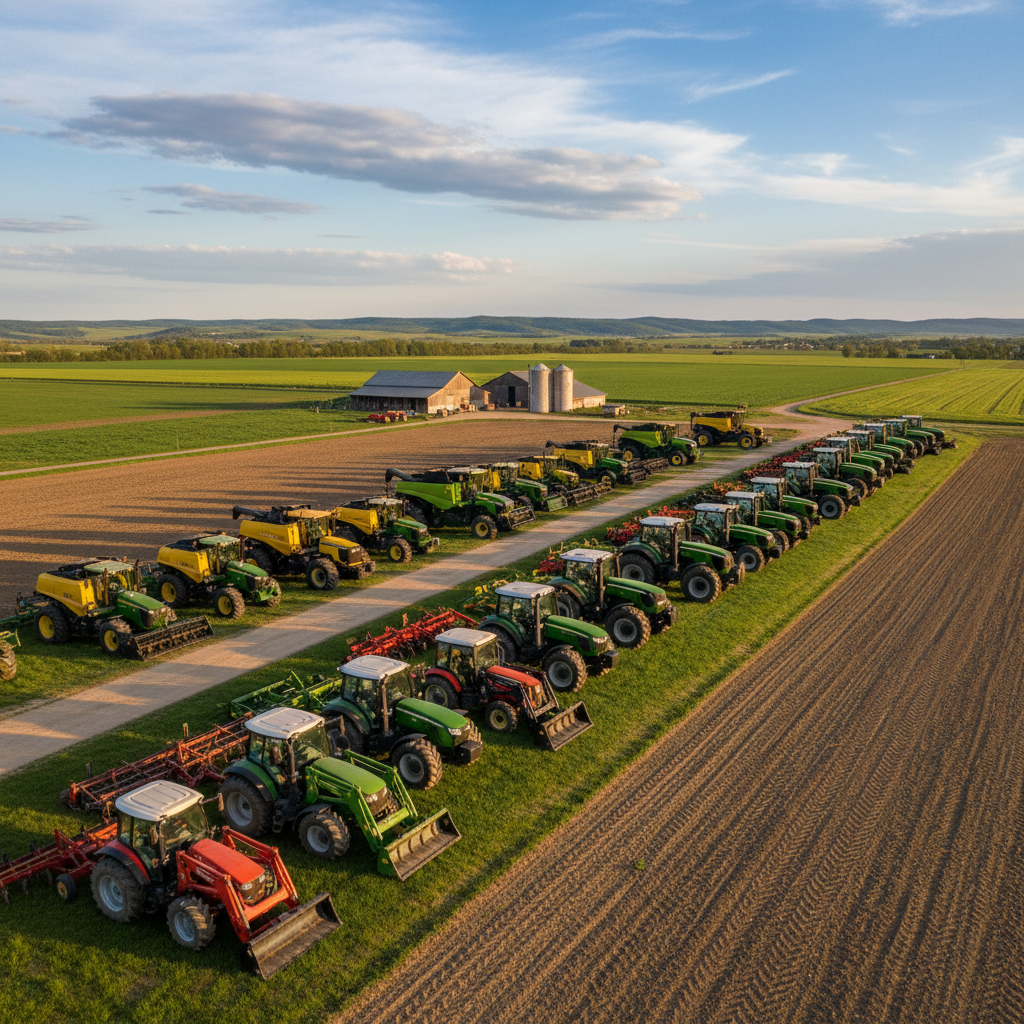
Additionally, matching the tractor's specifications with the terrain and farming practices is essential. Tractors with greater torque are beneficial for hilly or uneven terrain, where pulling power is required. On the other hand, if your farming practices include precision agriculture techniques, a tractor with advanced technology and lower horsepower may be more appropriate. Understanding your crop's unique requirements alongside the tractor’s capabilities ensures optimal productivity and sustainability in your farming operations.
Comparing Maintenance Costs: Long-Term Financial Benefits of Valley Equipment
When selecting the right Valley tractor and equipment for your farming needs, a critical consideration is the maintenance costs associated with these machines. Long-term financial benefits can significantly influence your choice. Valley equipment is designed to enhance productivity and durability, which can lead to lower maintenance expenses over time. By investing in high-quality equipment, farmers may reduce the frequency and intensity of repairs, resulting in decreased downtime and greater overall efficiency.
Moreover, as the agricultural sector continues to evolve, the integration of sustainable practices becomes essential. Utilizing Valley equipment with a focus on maintenance efficiency can align with the broader goals of reducing environmental impact, similar to the advantages seen in renewable energy use. Just as renewable sources contribute to long-term cost savings and health benefits, choosing robust and well-maintained agricultural machinery can fortify your farm’s economic stability. This strategic investment not only fosters operational resilience but also positions farmers to adapt to changing market dynamics and sustainability goals effectively.
Analyzing Technological Features in Tractors: Enhancing Productivity and Efficiency
When selecting the right tractor for your farming needs, understanding the technological features that enhance productivity and efficiency is crucial. The agricultural tractor market has shown a significant upward trend, with projections indicating a growth from USD 70 billion in 2020 to USD 95 billion by 2026. Factors driving this growth include advancements in engine technology and automation features. Farmers are increasingly opting for tractors equipped with higher horsepower configurations, particularly in the 41 – 60 horsepower range, which is projected to account for a substantial market share due to their versatile applications in various agricultural tasks.
Furthermore, features such as GPS guidance systems, precision farming tools, and fuel-efficient engines are transforming the way farms operate. Tractors that fall into the 61 – 80 horsepower range are particularly popular among mid-sized farms looking for a balance of power and efficiency. Additional insights from industry analysts suggest that models equipped with advanced telematics not only improve operational efficiency but also reduce maintenance costs, enabling farmers to maximize their investment. As technology continues to evolve, selecting the right tractor with the right features becomes essential for farmers aiming to enhance productivity in an increasingly competitive market.
Impact of Technological Features on Tractor Productivity