How to Choose the Right Farm Equipment for Your Agricultural Needs
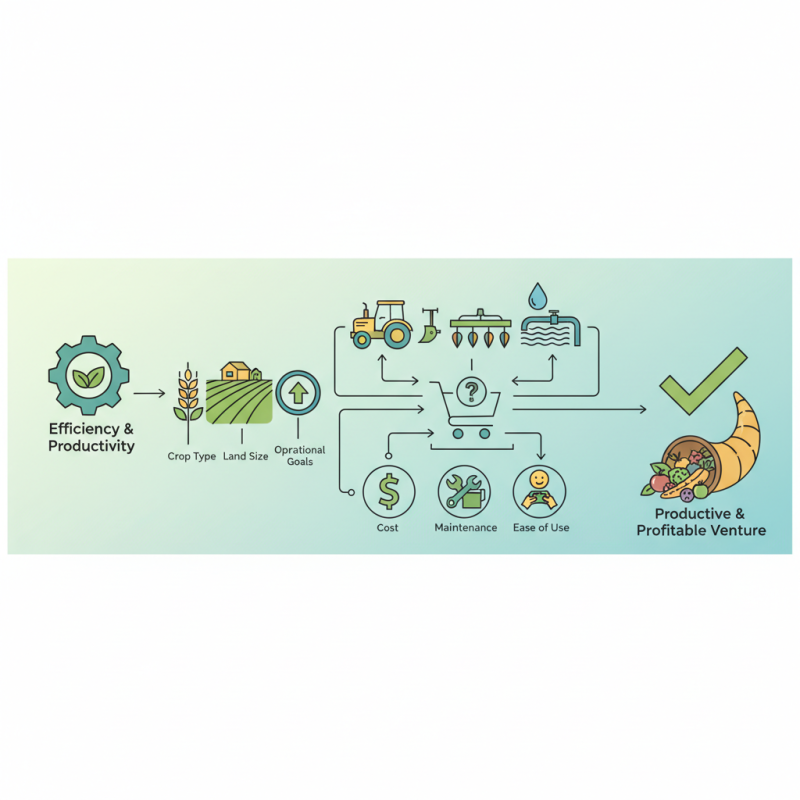
Choosing the right farm equipment is crucial for maximizing efficiency and productivity in agriculture. The diverse needs of different farming operations require careful consideration when selecting tools and machinery. With advancements in technology and a plethora of options available on the market, farmers must assess their specific requirements. This involves understanding the types of crops being cultivated, the size of the land, and the overall goals of the farming operation.
Farm equipment can encompass everything from tractors and plows to seeders and irrigation systems. Each of these tools plays a significant role in the farming process, contributing to increased yield and reduced labor. Therefore, prioritizing the right equipment not only facilitates smoother farming practices but also enhances the sustainability of agricultural efforts. By evaluating factors such as cost, maintenance, and ease of use, farmers can make informed decisions that align with their operational needs and financial feasibility. Ultimately, the right farm equipment can lead to a more productive and profitable agricultural venture.
Identifying Your Specific Agricultural Needs and Goals
Identifying your specific agricultural needs and goals is crucial when selecting the right farm equipment. Start by evaluating your existing practices and determining which areas require improvement or expansion. Consider factors such as the size of your farm, the types of crops or livestock you manage, and your intended production levels. By clearly defining your operational goals—whether they involve increasing yield, enhancing efficiency, or transitioning to sustainable practices—you can pinpoint the equipment that will best support these objectives.
Next, assess the unique challenges you face in your agricultural operations. This might include soil conditions, climate factors, or pest management issues. Understanding these elements will help guide you in choosing equipment that is not only effective but also suited to your environment. For example, if you deal with heavy soil, investing in tractors with sufficient horsepower might be necessary, whereas drought-prone areas may require irrigation systems designed for water efficiency. By aligning your equipment choices with your specific needs and the characteristics of your farm, you can enhance productivity and achieve your agricultural goals more effectively.
Assessing Different Types of Farm Equipment Available
When choosing the right farm equipment for agricultural needs, it's crucial to assess the various types of equipment available in the market. According to the 2022 USDA Agricultural Resource Management Survey, about 78% of U.S. farms utilize tractors, making them a fundamental component in improving productivity. Tractors can vary in size and capability—from compact models suitable for small farms to larger, more powerful options designed for extensive agricultural operations. Understanding the specific requirements of your land, crop types, and the scale of your operation is essential for making an informed choice.
In addition to tractors, other equipment categories such as planting machines, harvesters, and tillage tools also play vital roles in farm productivity. For instance, a report from the International Food and Agricultural Organization indicates that the global market for agricultural machinery is projected to reach $244 billion by 2025, underscoring the growing reliance on specialized equipment to enhance efficiency and yield. Depending on the type of crops and geographical conditions, farmers may also consider irrigation systems and soil management tools. Evaluating these factors in collaboration with agronomy experts can lead to a more strategic investment in farm equipment, ultimately increasing operational efficiency and sustainability in agricultural practices.
Evaluating Features and Specifications of Farm Equipment
When evaluating features and specifications of farm equipment, it's essential to begin by assessing the specific tasks the equipment will perform on your farm. Different types of machinery, such as tractors, tillers, and harvesters, come with various capabilities tailored to distinct agricultural activities. Analyze the power output, size, and operational efficiency to ensure that the equipment aligns with your farm’s requirements. Consider factors such as fuel type, horsepower, and the maximum load capacity, as these directly influence the equipment's performance and its ability to meet the demands of your farming operations.
In addition to performance metrics, it’s important to examine the durability and maintenance requirements of the farm equipment. Look for materials and construction techniques that enhance longevity and reduce wear and tear. Evaluate the ease of maintenance procedures, availability of replacement parts, and the manufacturer's warranty options, as these will contribute significantly to long-term ownership costs. Furthermore, ergonomics and safety features should not be overlooked; equipment should be user-friendly, minimizing the risk of accidents and improving overall operational efficiency. By carefully considering these specifications, you can make informed decisions that enhance productivity and ensure a successful agricultural operation.
Considering Budget and Cost-Effectiveness of Equipment
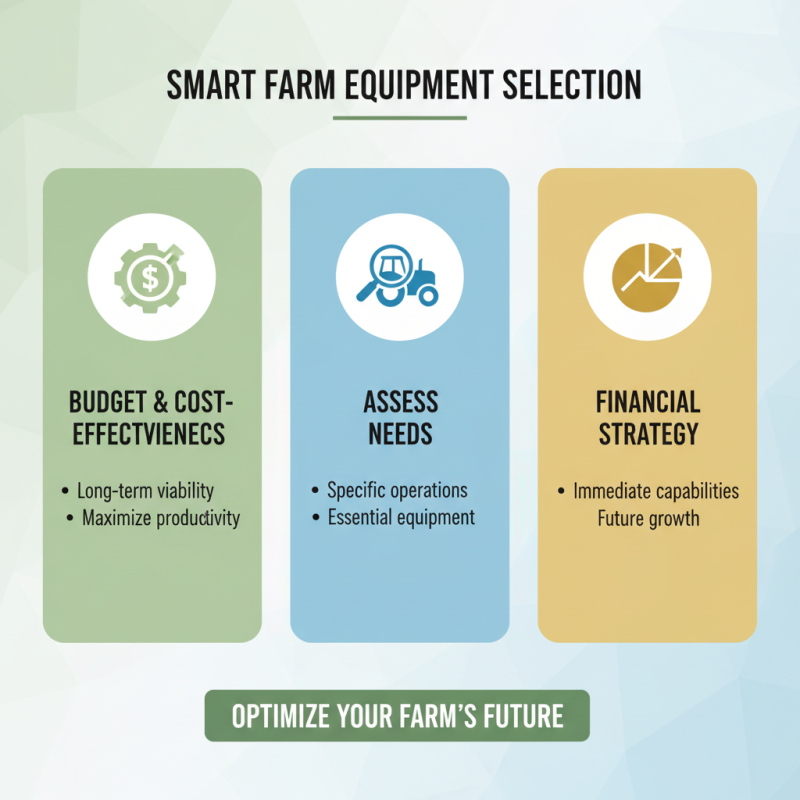
When selecting farm equipment, considering your budget and cost-effectiveness is crucial to ensure long-term viability and productivity. Begin by assessing your specific agricultural needs, which will help narrow down the essential equipment required for your operations. A thorough understanding of your budget parameters allows you to explore options that align with both your immediate financial capabilities and future growth aspirations.
After establishing your budget, evaluate the cost-effectiveness of different equipment types. This involves analyzing not only the purchase price but also factors such as maintenance costs, fuel efficiency, and potential resale value. Investing in machinery that offers durability and reliability could lead to lower operating costs over time. Additionally, consider the versatility of equipment; multipurpose machines may provide better value by reducing the need for multiple specialized units, ultimately optimizing your investment.
Researching and Comparing Brands and Dealers for Best Options
When it comes to selecting farm equipment, diligent research is essential to ensure that you make informed decisions that align with your agricultural needs. Start by identifying the specific requirements of your farming operations—whether you need machinery for tilling, planting, irrigation, or harvesting. Once you have a clear understanding of your needs, take the time to browse online resources and consult industry journals to gather information on various equipment options. Look for user reviews and testimonials that provide insights into the performance and reliability of different models, which can guide your choices.
Comparing brands and dealers is a crucial step in the selection process. Focus on the reputation of manufacturers and their commitment to quality and customer service. Research local dealers and evaluate their offerings, warranties, and support services. It’s beneficial to attend agricultural expos or equipment shows, where you can see models in action and speak directly with dealers. Additionally, consider engaging with fellow farmers in your community who can share their experiences and recommendations. By weighing these factors carefully, you can confidently narrow down your choices, ensuring that your investments in farm equipment will enhance productivity and efficiency on your farm.