How to Choose the Best Mini Tractor for Your Small Farm Needs
When considering the best mini tractor for your small farm needs, it is crucial to understand the significant role these compact machines play in modern agricultural operations. According to a recent report by the American Society of Agricultural and Biological Engineers, the demand for small-scale farming equipment, including mini tractors, has seen a remarkable increase of 20% in the past five years. This rise is driven by the growing trend of sustainable farming practices and the need for efficient, versatile equipment capable of handling various tasks while minimizing environmental impact.
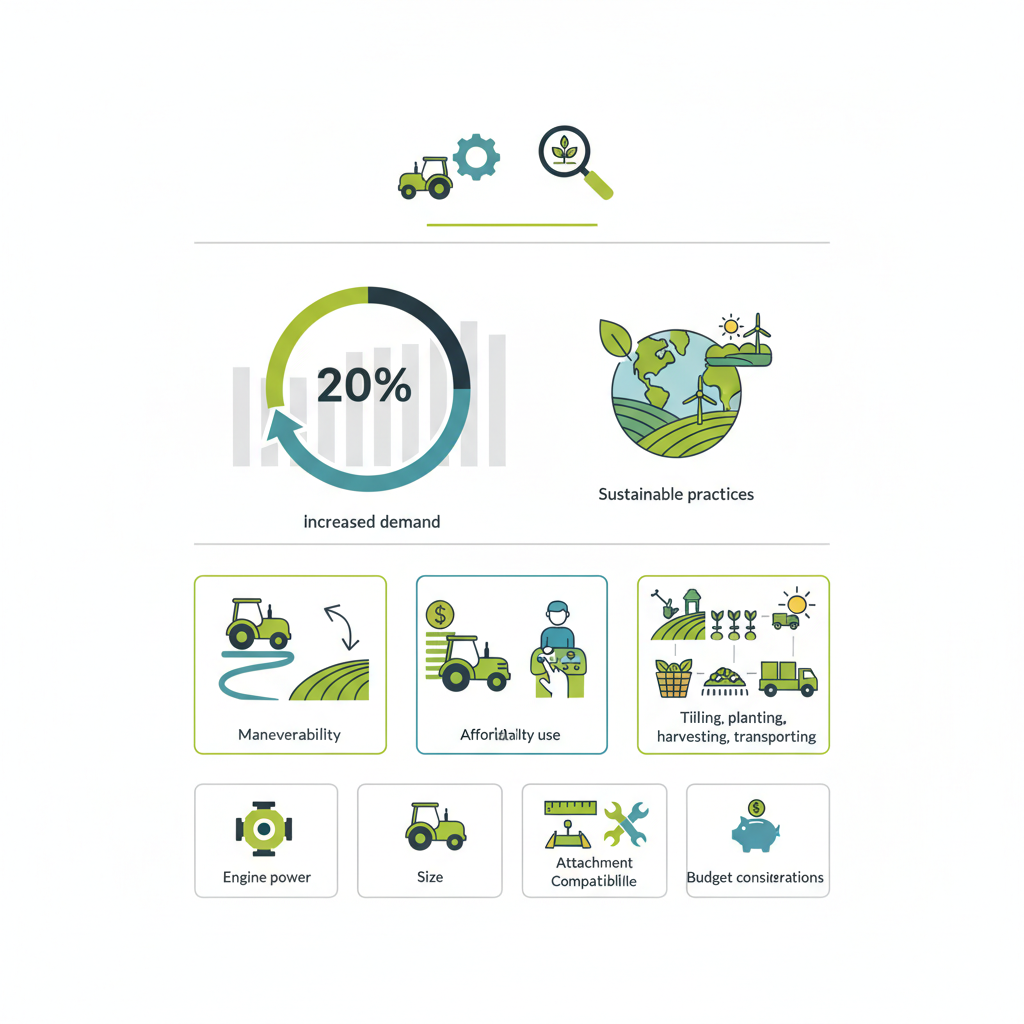
Mini tractors offer a solution tailored to the unique requirements of small farms, providing essential features such as maneuverability, affordability, and ease of use. The USDA Economic Research Service highlights that small farms are embracing technology and equipment that not only enhance productivity but also reduce labor costs. A well-chosen mini tractor can significantly improve operational efficiency by performing tasks ranging from tilling and planting to harvesting and transporting goods, making it a valuable asset for any small-scale farmer.
In this guide, we will explore the essential factors to consider when selecting the right mini tractor to ensure that your farming operations thrive. From engine power and size to attachment compatibility and budget considerations, understanding these elements will empower you to make an informed decision that aligns with your specific farming needs.
Understanding Your Small Farm Requirements for a Mini Tractor
When selecting a mini tractor for your small farm, it's crucial to first understand your specific needs. Consider the size of your land, the types of crops or livestock you manage, and the tasks you require the tractor to perform. For instance, if you primarily grow vegetables, you may need a tractor equipped with specific attachments for tilling and planting. Conversely, if your farm focuses on livestock, you might prioritize a machine that excels in hauling feed or maintaining pastures.
**Tips:** Evaluate your acreage and list the essential tasks you want to accomplish with the tractor. This includes mowing, plowing, or loading. Knowing the horsepower required for these tasks will guide you to the right model. Also, remember to assess the terrain of your farm; a tractor with good traction will handle uneven or hilly ground better.
Another aspect to consider is future growth. If you anticipate expanding your operations, investing in a slightly larger tractor now could save you money and hassle down the road. Additionally, look into different brands and their aftermarket support, ensuring that parts and service are readily available for the model you choose.
**Tips:** Research brands that are known for reliability and customer satisfaction. Don’t hesitate to seek feedback from fellow farmers or visit forums dedicated to agricultural equipment. This will help you make a well-informed decision based on real-world experiences.
Key Features to Look for When Selecting a Mini Tractor
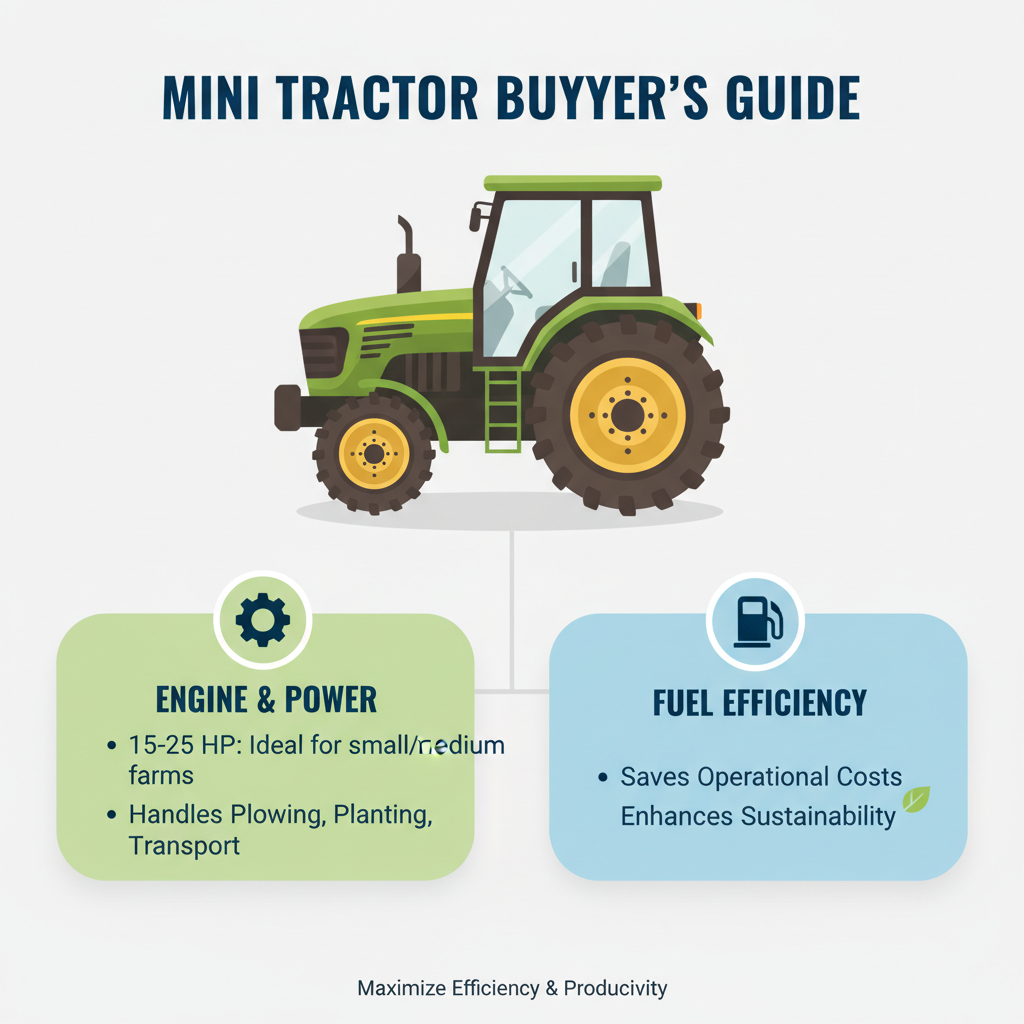
When selecting a mini tractor for your small farm needs, several key features should guide your decision to ensure maximum efficiency and productivity. First, consider the engine size and horsepower, as these directly influence the tractor's capability to handle various tasks such as plowing, planting, and transporting goods. A mini tractor with 15 to 25 horsepower is usually ideal for small to medium-sized farms, providing enough power without being overwhelming. Additionally, fuel efficiency is crucial; opting for a model that consumes less fuel will reduce operational costs and enhance sustainability.
Another important aspect to evaluate is the tractor's transmission type. A hydrostatic transmission offers smoother operation and ease of use, especially for those less experienced with tractors. Furthermore, assess the tractor's compatibility with attachments such as plows, cultivators, and mowers. Versatile attachments will allow you to expand the tractor's functionality, making it a more valuable investment. Finally, consider the tractor’s overall weight and size; a lighter model can be easier to maneuver in tight spaces, ensuring you can navigate your farm efficiently.
Evaluating Different Types of Mini Tractors Available on the Market
When evaluating different types of mini tractors available on the market, it's essential to consider your specific farming needs and the tasks you aim to accomplish. Mini tractors come in various sizes and power levels, making them suitable for diverse applications, from tilling and planting to hauling materials and mowing. Compact models, typically under 25 horsepower, are ideal for small plots and tight spaces, allowing for maneuverability without compromising performance.
Next, consider the features each mini tractor offers. Some models come equipped with advanced technology, such as hydrostatic transmissions, which provide smoother operation, while others may include modular attachments that enhance versatility. It’s also important to think about the durability and ease of maintenance of the tractor. Researching customer reviews and expert recommendations can provide valuable insights into the reliability of different brands. Ultimately, selecting the right mini tractor will depend on balancing your farming requirements with the functionalities provided by the tractor models available.
Comparison of Mini Tractors by Engine Power and Weight
Budget Considerations and Financing Options for Mini Tractors
When considering the purchase of a mini tractor for your small farm, understanding the budget implications and financing options is crucial. Reports indicate that the average price of new mini tractors ranges from $10,000 to $30,000, depending on size and features. Additionally, the operational costs, including maintenance and fuel, can also impact your overall budget. For example, a study by the American Society of Agricultural and Biological Engineers highlights that proper maintenance can reduce operational costs by up to 20% over the tractor's lifespan.
**Tips:** Determine your exact needs before shopping; assess the size of your land and the tasks you need the tractor to perform. By evaluating both new and used options, you can find the best fit within your budget.
Financing options vary from dealer financing, which often includes promotional rates, to loans from banks and credit unions. Industry data suggests that seeking loans with competitive interest rates can save you thousands over time. Some manufacturers also offer financing programs that could help spread payments over extended terms, making it more manageable for small business operators to acquire the necessary equipment without straining their finances.
**Tips:** Always read the fine print on financing offers and consider terms that align with your cash flow to avoid any surprises down the line.
How to Choose the Best Mini Tractor for Your Small Farm Needs - Budget Considerations and Financing Options for Mini Tractors
| Feature |
Description |
Average Price Range |
Financing Option |
| Horsepower |
Power output suitable for small farming tasks |
$10,000 - $20,000 |
Installment plans through dealers |
| Weight |
Lighter models for maneuverability |
$8,000 - $15,000 |
Leasing options available |
| Width |
Narrower designs ideal for small spaces |
$7,000 - $18,000 |
Bank financing with low interest rates |
| Versatility |
Ability to attach various implements |
$9,000 - $22,000 |
Credit options available |
| Fuel Efficiency |
Cost-effective fuel consumption |
$8,500 - $17,000 |
Manufacturer's financing programs |
Maintenance Tips for Keeping Your Mini Tractor in Top Condition
Keeping your mini tractor in top condition is crucial for ensuring its longevity and optimal performance on your small farm. Regular maintenance is the key to avoiding costly repairs and unforeseen downtimes. Start with routine checks of the oil, coolant, and hydraulic fluid levels to ensure they are at the optimal levels. Change the oil and filters as recommended by the manufacturer to prevent engine wear and maintain efficiency. Additionally, inspect the battery connections periodically and clean them to avoid corrosion and ensure reliable starts.
Tire care is equally important; maintain proper inflation and check for any signs of wear or damage. Rotate the tires as needed to promote even wear and extend their lifespan. Moreover, pay attention to the tractor’s belts and hoses, checking for any cracks or fraying that could lead to serious issues. Lastly, store your mini tractor in a dry, sheltered place during off-seasons to protect it from the elements. Following these maintenance tips will not only keep your mini tractor running smoothly but also enhance its overall productivity on your farm.