How to Buy Second Hand Farm Equipment Wisely?
Buying second hand farm equipment can be a daunting task. However, with the right knowledge and approach, it can also be rewarding. Renowned agriculture expert John Smith once said, “Investing in quality second hand farm equipment can save farmers both money and time.” This insight speaks volumes about the value of careful purchasing.
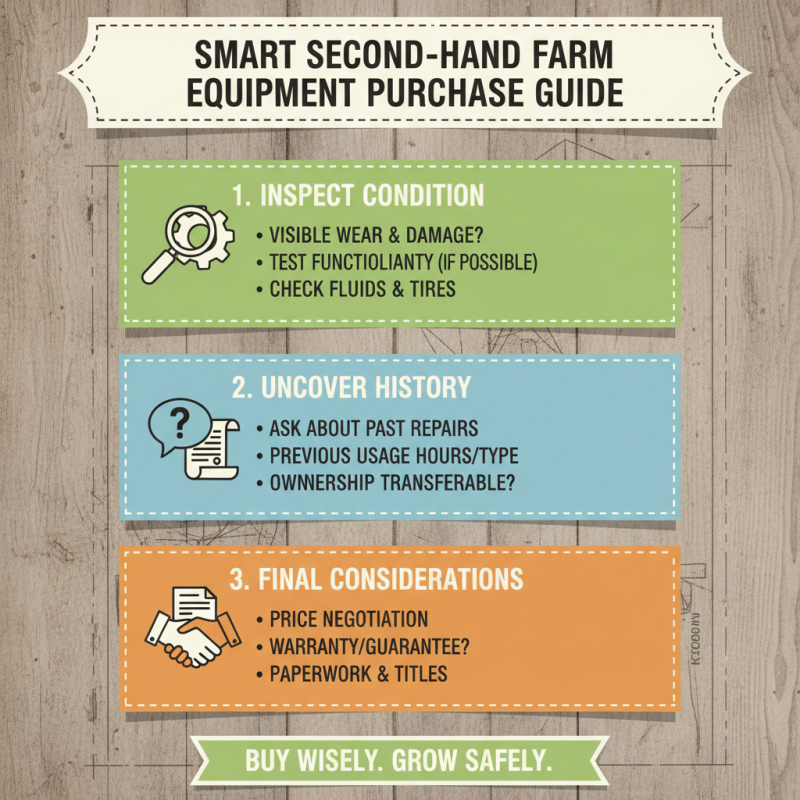
Farmers often find themselves overwhelmed by choices. The market is saturated with options, making it hard to identify which equipment is worth the investment. Quality varies greatly, and not every deal is a good one. Buyers must assess the condition of equipment closely. Look for signs of wear and tear. A thorough inspection can prevent costly mistakes down the line.
While second hand items can offer great savings, they also carry risks. It's essential to research the equipment's history. Ask questions about previous usage and maintenance. Sometimes, it might be better to walk away than rush into a purchase that seems too good to be true. This process requires patience and diligence, but the potential benefits of wisely chosen second hand farm equipment make it worthwhile.
Researching Your Needs and Equipment Specifications
When purchasing second-hand farm equipment, it's essential to thoroughly understand your needs. Take time to analyze the specific tasks your farm requires. Consider the type of crops you grow or the animals you raise. List the essential equipment that would assist you effectively. This step ensures you don’t purchase unnecessary machinery.
Research is crucial. Look for specifications that meet your operational requirements. Different models may have varying features. Check the horsepower, capacity, and age of the equipment. Finding detailed descriptions online can be beneficial. Yet, do not solely rely on internet resources. Visiting local farms or communities can provide practical insight into what works best.
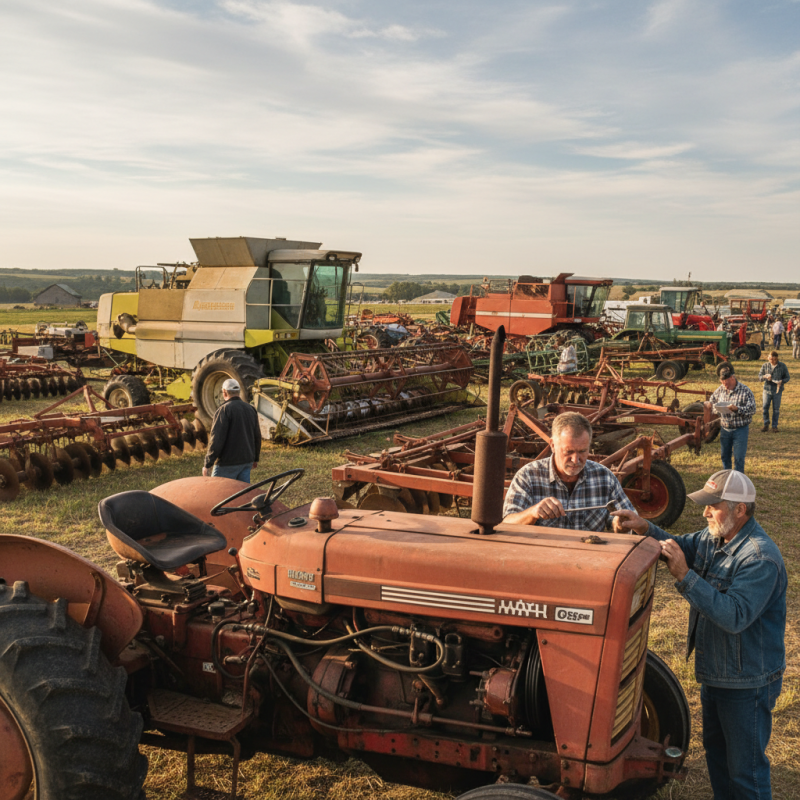
Inspecting the equipment is equally important. A visual inspection can reveal issues not mentioned in listings. Check for signs of wear and tear. Listen for unusual noises when the equipment is running. Remember, not all sellers disclose full histories. You may encounter overpriced deals.
Trust your instincts and reflect on any red flags you notice. Taking time to evaluate every detail prevents potential regret later on.
Identifying Reliable Sources for Second Hand Equipment
When considering second-hand farm equipment, identifying reliable sources is crucial. According to the USDA, nearly 30% of farm machinery sales come from used equipment. This statistic reveals a significant market where trust and quality should be paramount. Auction websites and local classifieds can provide good options, but not all sellers are trustworthy. Look for sellers with positive feedback and a solid history.
Another avenue is local dealers who specialize in used equipment. They often inspect items before listing them. According to a report by Ag Equipment Intelligence, about 65% of buyers prefer purchasing from local dealers due to their expertise and reliability. While these sources are generally reliable, it’s vital to vet them. Ask for service records and warranty options. A personal visit can help confirm the equipment's condition.
Additionally, online forums and agricultural communities can offer valuable insights. These platforms enable buyers to exchange experiences and recommendations. However, be cautious. Not all opinions are based on facts. Always gather information from multiple sources. A thorough approach minimizes risks and helps ensure you make a wise investment.
How to Buy Second Hand Farm Equipment Wisely? - Identifying Reliable Sources for Second Hand Equipment
| Source Type |
Pros |
Cons |
Verification Tips |
| Online Marketplaces |
Wide variety of options, often lower prices |
Risk of scams, limited buyer protection |
Check seller ratings and reviews |
| Local Auctions |
Opportunity for good deals, inspected items |
Time-consuming, bidding competitions |
Attend previews, set a budget |
| Dealers with Used Equipment |
Warranty options, professional evaluations |
Higher prices than private sales |
Request service history and check reviews |
| Farm Equipment Trade Shows |
Wide range of equipment, knowledgeable sellers |
Limited time to compare, travel needed |
Ask questions, compare models on the spot |
| Social Media Groups |
Direct communication with sellers, community advice |
Limited accountability, variable item quality |
Verify profiles, ask for references |
Evaluating Condition and Performance of Used Machinery
When considering second-hand farm equipment, assessing its condition and performance is crucial. According to a recent survey by the Agricultural Equipment Manufacturers Association, nearly 38% of used machinery has hidden issues that are not immediately visible. This highlights the importance of thorough inspections before purchase. Look for signs of wear like rust or oil leaks. These could point to deeper mechanical problems.
Think critically about the equipment's performance history. If possible, request maintenance records. The average lifespan of good-quality machinery could exceed 10,000 hours of operation, but equipment running poorly will likely need costly repairs. Gathering performance data from previous owners can provide insight into the reliability of the machine.
In some cases, equipment may seem to be in excellent condition on the surface but has underlying faults. A reported 20% of farmers regretted their used equipment purchases due to unexpected breakdowns. This can lead to significant losses. Investing time in evaluating before buying can save money in the long run. Always remember, a thorough check today may prevent regrets tomorrow.
Negotiating Price and Terms Effectively
Negotiating the price and terms of second-hand farm equipment can be tricky. Start by researching the market value of similar items. Know the average prices and current demand. This information gives you leverage. When you meet the seller, create a friendly atmosphere. A smile can go a long way. Ask open-ended questions about the equipment’s history. For instance, inquire about repairs or maintenance done. Sellers appreciate your interest in the item’s background.
Be prepared to offer a lower price than what the seller suggests. Accepting their first offer often leads to overpaying. Aim for a fair deal that reflects the equipment's condition. Don’t rush your decision. Sometimes, walking away leads to better offers later. Consider including terms like warranties or return options in the agreement. These can protect you from unexpected costs. Vendors may be willing to negotiate more than you think.
However, it’s essential to remain respectful during negotiations. Aggressive tactics can sour dealings. Reflect on your approach after each negotiation. Did you secure good terms? What could you improve next time? Each purchase is a learning opportunity. Keep an open mind, and remember, it’s okay to make mistakes. Adjust your strategy based on past experiences. This process enhances your negotiating skills for future equipment purchases.
Second Hand Farm Equipment Price Comparison