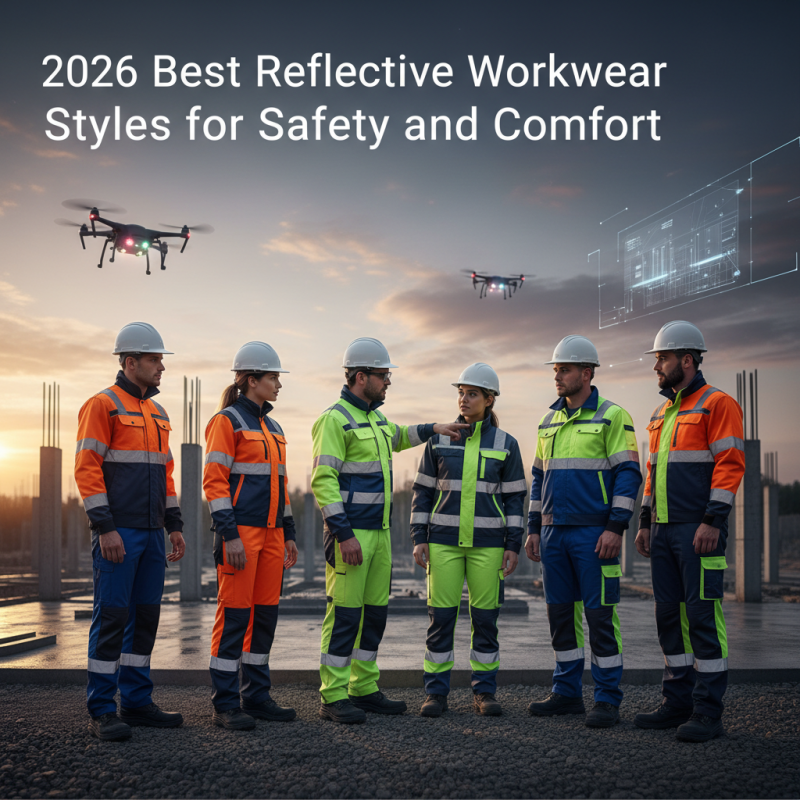
2026 Best Reflective Workwear Styles for Safety and Comfort?
In the evolving landscape of safety apparel, "reflective workwear" plays a crucial role. John Mason, a leading expert in industrial safety gear, emphasizes, "Visibility is key to protecting our workforce." As we look ahead to 2026, it's vital to evaluate the styles that not only enhance safety but also prioritize comfort.
reflective workwear has come a long way, blending functionality with modern design. These garments often feature high-visibility materials, ensuring workers are seen in various environments. Yet, comfort shouldn't be overlooked. Heavy or ill-fitting items can hinder performance. It's a balancing act that requires thoughtful designs.
As we strive for better options, some designs still miss the mark. Aesthetics often overshadow functionality. This raises questions about the effectiveness of these garments. Workers must feel safe and comfortable. The journey for the perfect reflective workwear continues, and the industry must listen closely to those on the front lines.
Best Reflective Workwear Fabrics for Durability and Comfort
When it comes to reflective workwear, the choice of fabric can greatly impact durability and comfort. High-visibility materials often come with waterproof and breathable features. These characteristics ensure that workers remain dry and comfortable in various conditions. Many fabrics include a mix of polyester and cotton blends. This combination provides flexibility while maintaining structural integrity.
Another vital aspect is the reflective treatment of the fabrics. While some materials shine brightly in the light, they may degrade after multiple washes. A reflective strip might lose its luster and thus, weaken safety. It’s crucial to balance reflectivity with wash durability. Some fabrics might feel stiff, which leads to discomfort during extended wear.
Investing in quality reflective fabrics can seem daunting. However, choosing the wrong material can lead to serious issues on the job site. Workers may experience irritation or excessive sweating. It's important to find a fabric that not only meets safety standards but also enhances mobility. Shopping based on fabric can be overwhelming, but the right choice significantly enhances overall safety and comfort.
Essential Features to Look for in Reflective Workwear Design
When selecting reflective workwear, focus on essential features that enhance safety and comfort. Visibility is crucial. According to the Occupational Safety and Health Administration (OSHA), more than 100,000 accidents occur annually in construction zones. High-visibility materials can significantly reduce this risk. Look for fabrics that meet the ANSI/ISEA 107 standards for high visibility.
Comfort is just as important. Many professionals spend long hours in workwear. Breathable fabrics play a role here. Reports indicate that uncomfortable workwear can lead to poor performance and increased fatigue. Reflective workwear should fit well and allow for a full range of motion. Reviews suggest that ergonomic designs greatly improve worker satisfaction.
Another factor to consider is weather resistance. Workers face various conditions. Water-resistant materials can protect against rain, while insulated layers keep warmth in cold environments. However, not all reflective workwear balances visibility with weatherproofing effectively. Some options can compromise on breathability in favor of waterproofing. It's essential to find a combination that meets your specific needs.
Top Brands Offering High-Quality Reflective Workwear in 2026
In 2026, the demand for high-quality reflective workwear continues to rise. The safety of workers in hazardous environments is paramount. According to a recent industry report, 85% of workplace accidents occur in low-light conditions. Reflective materials can enhance visibility significantly, reducing these risks.
Top brands respond to this need by offering innovative designs. Many styles now incorporate moisture-wicking fabrics. These materials keep workers comfortable, even in high temperatures. Reflective strips are strategically placed on garments. This provides 360-degree visibility.
While progress is evident, some challenges remain. Not all garments maintain durability after multiple washes. The fading of reflective elements can decrease effectiveness over time. The industry must prioritize long-lasting options that withstand rigorous use. Attention to detail in design and craftsmanship is essential for ensuring safety without compromising comfort.
2026 Best Reflective Workwear Styles for Safety and Comfort
Trends in Reflective Workwear: Style Meets Safety for Modern Workplaces
In modern workplaces, the fusion of style and safety is vital. Reflective workwear is no longer just functional. It has evolved into a statement of professionalism and personal expression. Bright colors and innovative designs catch the eye. Comfort remains a priority, allowing workers to move freely. This balance enhances productivity and morale among teams.
Trends are moving towards practicality without sacrificing aesthetics. The use of lightweight, breathable fabrics offers comfort during long hours. Many styles now feature adjustable elements for a better fit. Some workers still prefer outdated designs, finding comfort in familiarity. Yet, the shift towards more contemporary designs is undeniable. Styles with unique patterns and cuts are becoming popular. These choices reflect individuality while maintaining safety standards.
It's important to remember that safety should never be compromised for style. Poorly fitting reflective gear can hinder movement and reduce visibility. Some may overlook the significance of proper sizing. Reflective apparel should be worn correctly to serve its purpose. Balancing safety and comfort requires ongoing reflection and adaptation in workplace fashion.
How to Properly Care for Reflective Workwear to Maintain Performance
Reflective workwear is essential for safety in various environments. Proper care ensures that these garments maintain performance and longevity. Many companies report that well-maintained workwear can last up to 50% longer. Regular washing to remove dirt and contaminants is crucial. This avoids degradation of reflective materials.
Tips for cleaning: Always follow the care label. Use lukewarm water and a gentle detergent. Avoid bleach, as it can harm reflective properties. Always air dry instead of using a dryer. Heat can weaken the fabric and reflective elements. Inspect garments regularly for wear or damage. Small tears can dramatically reduce visibility.
It's easy to overlook the condition of workwear. Signs of fading or fraying can lead to decreased safety. Regular checks are vital. in 2019, a study showed that 70% of workers felt their safety gear was not properly maintained. This highlights the need for better oversight. Establish routines for inspections and cleaning. Safety should never take a backseat. The performance of reflective workwear relies heavily on the care it receives.
2026 Best Reflective Workwear Styles for Safety and Comfort
| Style | Material | Reflective Properties | Comfort Features | Care Instructions |
| High Visibility Jacket | Polyester | 400 lumens/m² | Breathable mesh lining, adjustable cuffs | Machine wash cold, tumble dry low |
| Reflective Safety Vest | Nylon | 500 lumens/m² | Lightweight, adjustable straps | Hand wash, do not iron |
| Reflective Cargo Pants | Cotton/Polyester blend | 300 lumens/m² | Comfort waistband, multiple pockets | Machine wash warm, hang dry |
| Reflective Rain Coat | Waterproof fabric | 600 lumens/m² | Ventilation openings, adjustable hood | Wipe clean, do not dry clean |
| Reflective Work Shirt | Cotton | 250 lumens/m² | Soft fabric, relaxed fit | Machine wash cold, do not bleach |